


Paying for Water Infrastructure

New Jersey’s water infrastructure needs $25 billion in upgrades over the next 20 years. The urgency of the water infrastructure problem in New Jersey’s older cities and towns cannot be overstated. Water systems in some areas are more than 100 years old—with pipes that leak or break—and are unable to handle the increasing volume that comes with successful urban revitalization. Water infrastructure systems are complex, but elected and staff leaders are poised to advance more sustainable funding arrangements, while addressing the affordability of water bills for their lowest-income residents.
Jersey Water Works members work to achieve the following intended outcomes: Effective and Financially Sustainable Systems, Adequate and Fair Revenue, and Robust Government Funding Initiatives.
-
 07/20/21
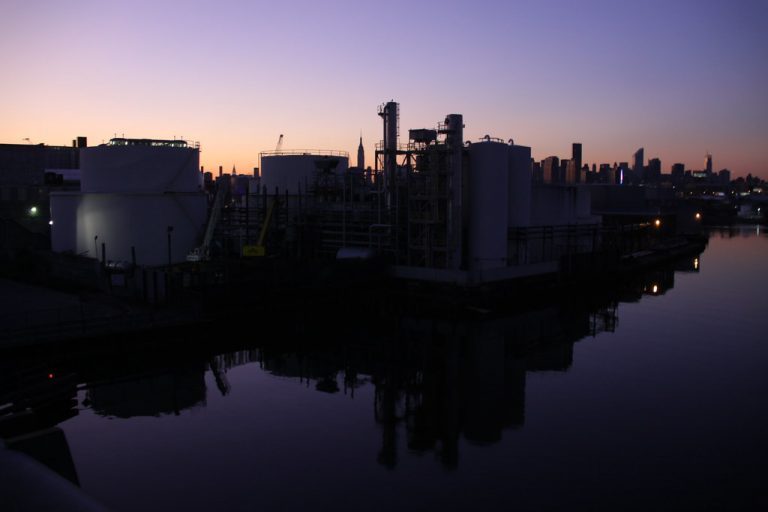
Use billions from infrastructure deal, COVID-19 aid to fix water problems in poor communities, advocates urge
Incoming Jersey Water Works co-chairs Andy Kricun, from Moonshot Missions & US Water Alliance, and Nicole Miller, from Newark DIG share their thoughts on this ‘once-in-a-generation’ opportunity to fix leaking pipes and drains.READ ARTICLE#Affordability, #Community Engagement and Partnerships, #Drinking Water, #Lead, #Paying for Water Infrastructure, #Smart CSO Control Plans, #WastewaterOpen NJ Spotlight News in a new tabSOURCE
NJ Spotlight News
-
 07/12/21
Water-the New Oil-An Interview
Honorary Jersey Water Works co-chair, Gov. Florio, and JWW Steering Committee member and Education and Outreach Committee co-chair, Lester Taylor, discussed the importance of investing in water and water infrastructure on the NFN Radio News Podcast.READ ARTICLE#Drinking Water, #Paying for Water InfrastructureOpen NFN Radio News Podcast in a new tabSOURCE
NFN Radio News Podcast
-
 04/28/21
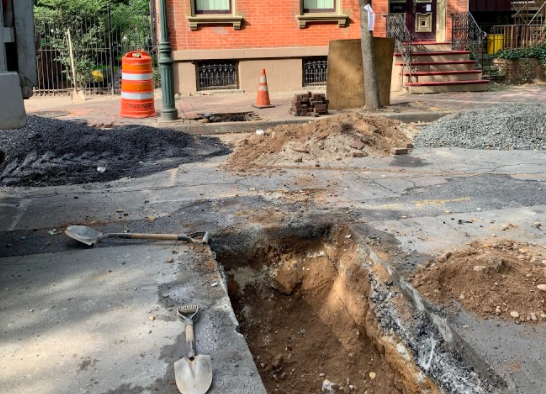
Federal Allocation Formulas Could Affect Lead Service Line Replacement
As Congress debates various proposals to increase federal aid to address the problem of lead-contaminated drinking water, it is important to consider potential allocation formulas, as different choices may drastically alter New Jersey’s share.READ ARTICLE#Paying for Water InfrastructureSOURCE
Gary Brune, Senior Policy Manager, New Jersey Future -
 04/15/21
How More Accurate Water Utility Reporting Could Increase Federal Funds
Every four years, the EPA conducts the Drinking Water Infrastructure Needs Survey. The goal of this survey is to estimate the projected 20-year financial need of water systems throughout the country. The responses of systems in New Jersey will help to determine how much funding our state receives for drinking water infrastructure improvements. In New Jersey, the NJDEP administers the survey.READ ARTICLE#Community Engagement and Partnerships, #Drinking Water, #Paying for Water InfrastructureSOURCE
Divine Maduakolam, Jersey Water Works Intern and Gary Brune, Senior Policy Manager at New Jersey Future -
 02/26/21
Statement from Jersey Water Works Co-Chairs on New Jersey Governor’s FY 2022 Budget Address
On February 23, Governor Murphy presented the FY 2022 Budget Address. The proposed budget includes $60 million to provide continued state budget support for the Drinking Water and Clean Water Infrastructure Fund. The budget also supports new staff to monitor lead and copper contaminants in drinking water.READ ARTICLE#Paying for Water InfrastructureSOURCE
Mark Mauriello and Jane Kenny, Jersey Water Works co-chairs
-
 12/18/17
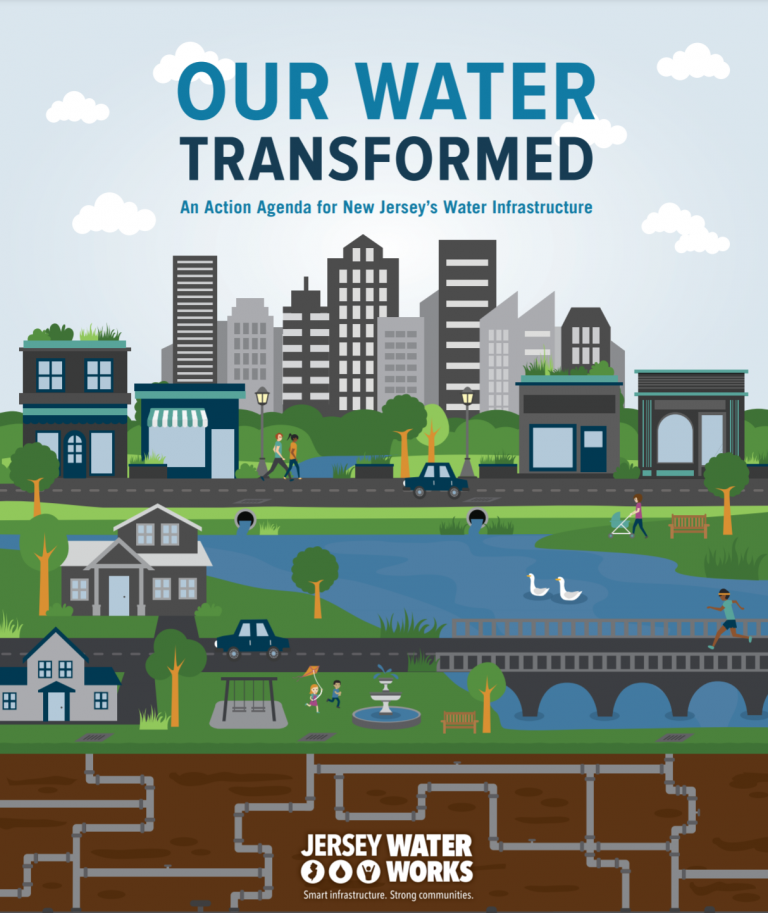
Our Water Transformed: An Action Agenda for New Jersey’s Water Infrastructure
The report, Our Water Transformed: An Action Agenda for New Jersey's Water Infrastructure, offers an in-depth understanding of the state’s water infrastructure and the context for improvement, provides clarity on how Jersey Water Works has brought so many stakeholders together to affect change, and outlines a consensus-based “action agenda” with three practical solutions: Robust asset management to enable water utilities to deliver the optimum ...LEARN MORE#Drinking Water,#Green Infrastructure/Stormwater Management,#Paying for Water Infrastructure,#Smart CSO Control Plans,#Wastewater,#WorkforcePRODUCT OF
-
 11/14/17
Developing a New Framework for Community Affordability of Clean Water Services
The Senate Appropriations Committee directed the Environmental Protection Agency (EPA) to contract with the National Academy of Public Administration to conduct an independent study to create a definition of, and framework for, community affordability of clean water. The findings and recommendations of this report aim to supplement current actions and to assist EPA in providing continued valuable guidance and support to communities as they ...LEARN MORE#Affordability,#Paying for Water Infrastructure -
 10/19/17
Peak Day Water Demand Management Study
This study, commissioned by Alliance for Water Efficiency, conducts a peak water demand shaving pilot project in Rumson, NJ. The objectives of the study were to: determine the viability of using remotely-controlled irrigation systems to reduce peak water demands and thus delay or avoid costly infrastructure, to test implementation methods, and to discover potential barriers for water providers who want to use the technology. This report is ...LEARN MORE#Paying for Water Infrastructure -
 08/03/17
Upgrading Our Systems: A National Overview of State-Level Funding for Water Initiatives
Local and regional water utilities play the lead role in water infrastructure funding by leveraging user rates. In addition, state and local governments typically rely on financing mechanisms like the U.S. Environmental Protection Agency’s State Revolving Fund programs and the U.S. Department of Agriculture’s Rural Development funds. Meanwhile, some states have created programs that raise new revenue for direct funding to fix systemic gaps in ...LEARN MORE#Paying for Water InfrastructurePRODUCT OF
-
 07/27/17
Navigating Legal Pathways to Rate-Funded Customer Assistance Programs: A Guide for Water and Wastewater Utilities
The at the University of North Carolina Chapel Hill prepared this report to help steer their members through a complex regulatory landscape. In their efforts to design and implement programs that make it easier for low-income customers to pay for water and wastewater services, utilities must navigate a confusing and often ambiguous legal framework that varies considerably from state to state. Many states impose different rules and regulations on ...LEARN MORE#Drinking Water,#Paying for Water Infrastructure,#Wastewater
