


Drinking Water

“Water” refers to potable water (i.e., drinking water), or water that is safe for consumption. Drinking water comes from a variety of sources and is treated to meet state and federal standards for consumption. Ensuring safe and healthy drinking water is regulated by the U.S. Environmental Protection Agency (EPA). The EPA establishes maximum contaminant levels for various contaminants. There are nearly 600 community water systems, which provide drinking water to approximately 87% of New Jersey’s population.
70 Results Found
-
 06/25/26
N.J. group cited for policy innovation, leadership in lead service line replacement
The Jersey Water Works Lead Service Line Implementation Workgroup received an award from the Lead Service Line Replacement Collaborative.READ ARTICLE
The group was honored in the Policy Innovation and Leadership category for its leadership and significant contributions to advancing lead service line replacement.#Drinking Water, #LeadOpen ROI-NJ in a new tabSOURCE
ROI-NJ
-
 06/25/26
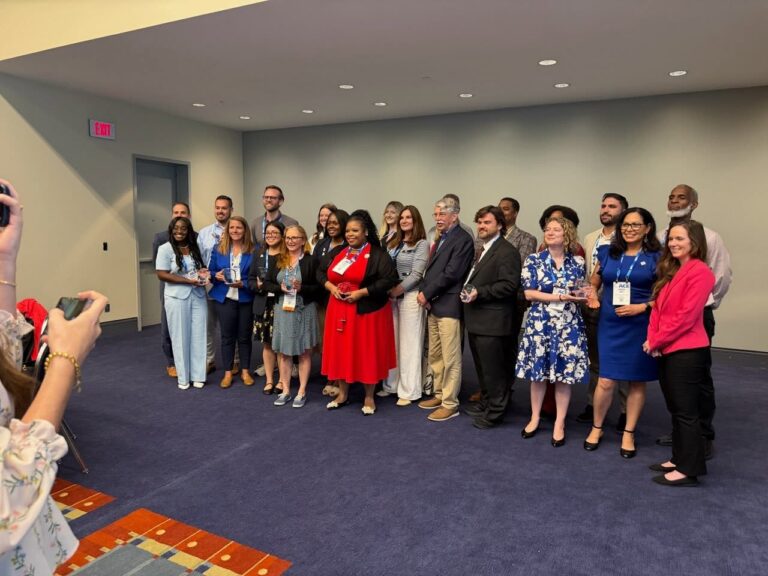
Press Release: New Jersey Group Wins Award for Policy Innovation and Leadership in Lead Service Line Replacement
National experts in water infrastructure convened in Washington, D.C. to celebrate and honor innovation and leadership in Lead Service Line Replacement Initiatives. New Jersey’s group, the Jersey Water Works Lead Service Line Implementation Workgroup, received an award for its work in advancing Lead Service Line Replacement.READ ARTICLE#Drinking Water, #LeadSOURCE
Deandrah Cameron, New Jersey Future; Paula Figueroa-Vega, Jersey Water Works -
 06/25/26
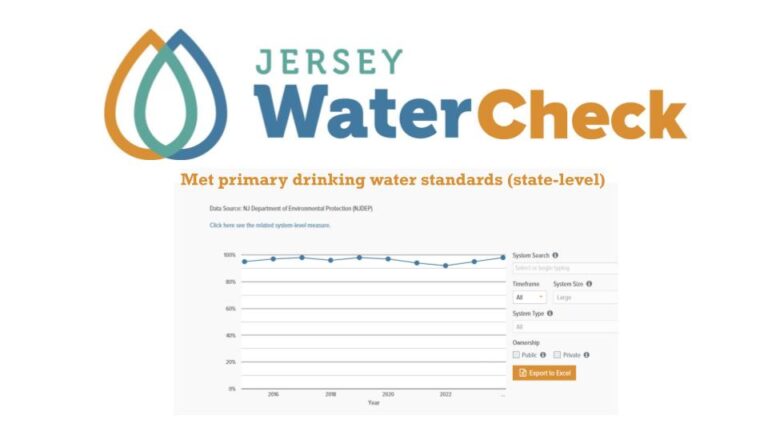
Are we making progress? Jersey WaterCheck Data Points to Progress and Opportunities
How do we know if New Jersey is making progress in transforming water infrastructure? Since 2013, Jersey Water Works has been convening multiple stakeholders across the water sector with the common purpose of transforming and upgrading the water infrastructure. To track progress and enable continuous learning, Jersey WaterCheck (JWC), the data dashboard Jersey Water Works, was created to highlight New Jersey’s water infrastructure needs and promote investment in related priorities.READ ARTICLE#Data, #Drinking Water, #Paying for Water InfrastructureSOURCE
JWC Blog June 2026 -
 02/25/26
Jersey Water Works Launches PFAS and Emerging Contaminants Committee
READ ARTICLE
In 2025, Jersey Water Works members advocated for the addition of a PFAS and Emerging Contaminants Committee to the collaborative's working committees. To understand the significance of this initiative, first we must understand what PFAS is. According to the New Jersey Department of Environmental Protection, “Per- and polyfluoroalkyl substances, or PFAS, are a large family of thousands of manmade chemicals that have been used in industrial and commercial applications for over 70 years.” PFAS—often referred to as “forever chemicals”— “repel water and oil and are resistant to heat and chemical reactions. Products that may contain PFAS include stain-resistant coatings for upholstery and carpets, water-resistant breathable clothing, greaseproof food packaging, and certain fire-fighting foams (aqueous film-forming foams used for extinguishing petroleum-based fires).”
#PFASSOURCE
Jersey Water Works -
 02/23/26
Holding Drinking Water Systems Accountable: 2025 Updates to the Water Quality Accountability Act
Until the establishment of the 2017 Water Quality Accountability Act (WQAA), New Jersey’s public community drinking water systems with over 500 service connections were entirely responsible for setting their own infrastructure standards. Due to a lack of transparency in how systems were managed, there was growing concern about aging infrastructure and the quality of drinking water. The WQAA was a major step in requiring water purveyors to improve safety, reliability, and administrative oversight of water infrastructure, thereby serving as a way to hold drinking water systems accountable. In 2021, amendments made to the law provided the New Jersey Department of Environmental Protection (NJDEP) with the tools to enforce it. The Jersey Water Works Asset Management and Finance Committee (JWW-AMF), along with its predecessor, the Best Practices Committee, played a key role in providing recommendations that informed the WQAA legislation and its subsequent amendments. These included legislative testimonies by multiple JWW members, collaborating with the American Water Works Association New Jersey section Infrastructure Management Committee to submit recommendations on Asset Management Key Performance Indicators, and public comments on WQAA rules and regulations, elevating important perspectives.READ ARTICLE#Drinking WaterSOURCE
Jessika Sherman, New Jersey Future
46 Results Found
-
 07/08/26
Water Affordability Report: Multi – City Case Study New Jersey 2026
ABOUT THIS REPORT Water affordability and infrastructure challenges are connected. We need to invest in water infrastructure to maintain it, and we also need to fund those investments in ways that ensure people can afford to pay their water bills as part of their overall household expenses. An estimated one-fifth of all New Jersey households struggle to afford their water and sewer bills. Unaffordable water bills threaten savings, wealth ...LEARN MORE#Affordability,#Drinking Water -
 05/01/26
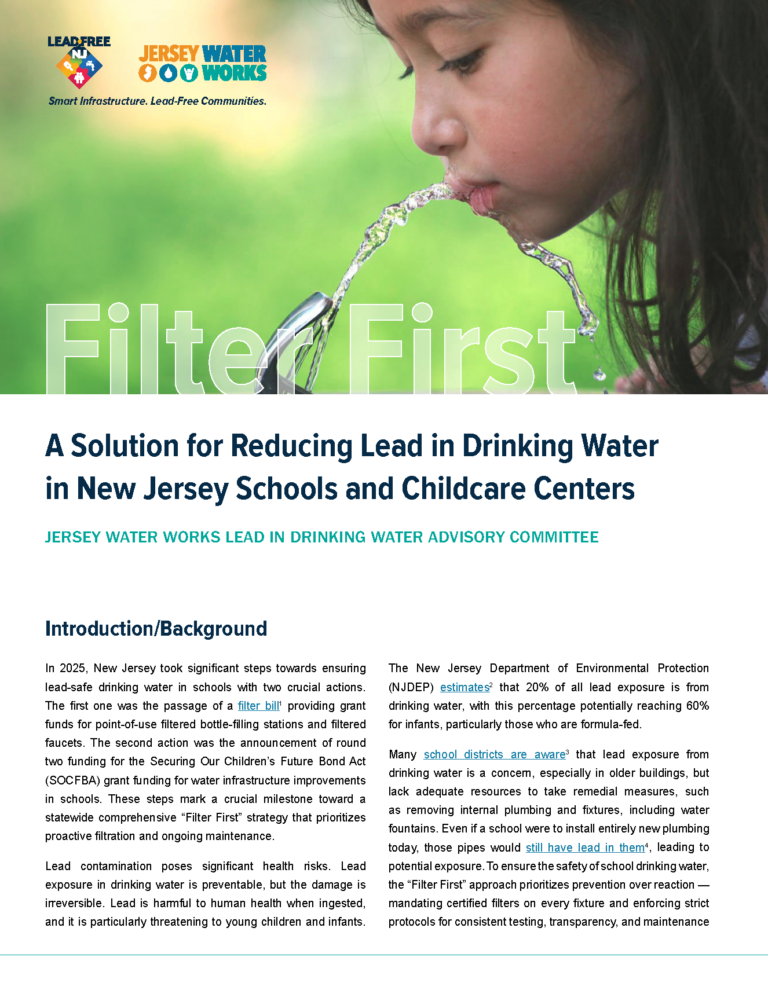
Filter First: A Solution for Reducing Lead in Drinking Water in New Jersey Schools and Childcare Centers
JERSEY WATER WORKS LEAD IN DRINKING WATER ADVISORY COMMITTEE In 2025, New Jersey took significant steps towards ensuring lead-safe drinking water in schools with two crucial actions. The first one was the passage of a filter bill providing grant funds for point-of-use filtered bottle-filling stations and filtered faucets. The second action was the announcement of round two funding for the Securing Our Children’s Future Bond Act (SOCFBA) grant ...LEARN MORE#Affordability,#Drinking Water,#Lead -
 10/18/24
Jersey Water Works Comments Comments on the proposed rules, amendments, and repeals to the Safe Drinking Water Act Rules (N.J.A.C. 7:10) and Water Supply Allocation Permit Rules (N.J.A.C. 7:19)
On October 18, 2024, the Jersey Water Works Asset Management and Finance Committee submitted comments on the proposed rules, amendments, and repeals to the Safe Drinking Water Act Rules (N.J.A.C. 7:10) and Water Supply Allocation Permit Rules (N.J.A.C. 7:19).LEARN MORE#Drinking Water,#Paying for Water InfrastructurePRODUCT OF
-
 04/11/24
Jersey Water Works Comments on the EPA Proposed LCRI
The Jersey Water Works Lead in Drinking Water Task Force submitted comments on the National Primary Drinking Water Regulations for Lead and Copper: Improvements (LCRI).LEARN MORE#Drinking Water,#LeadPRODUCT OF
-
 10/05/21
Water Utilities as Anchor Institutions
Water utilities can root themselves as anchor institutions within their communities. Anchor institutions are: Public service entities—like hospitals, universities, or utilities–which are tied to a location due to infrastructure or mission. Entities that provide critical services and vital assets to improve economy, health, environment and well-being in communities. Organizations that provide active civic leadership and participate in and add to ...LEARN MORE#Drinking Water
