
Drinking Water

“Water” refers to potable water (i.e., drinking water), or water that is safe for consumption. Drinking water comes from a variety of sources and is treated to meet state and federal standards for consumption. Ensuring safe and healthy drinking water is regulated by the U.S. Environmental Protection Agency (EPA). The EPA establishes maximum contaminant levels for various contaminants. There are nearly 600 community water systems, which provide drinking water to approximately 87% of New Jersey’s population.
70 Results Found
-
 12/29/25
Water Affordability Part Two: The Opportunity
Access to clean water is a human right, but for thousands of families in New Jersey, the rising cost of water and sewer bills turns this essential service into a financial burden. Part One of the Water Affordability Series, "The Challenge," laid out the harsh reality of this issue, from water shut-offs to tax liens. This installment, "The Opportunity," is about action. It identifies the gaps in current assistance programs and explores the collaborative actions and policy changes needed to create long-term affordability programs necessary for a sustainable and equitable water system. New Jersey Future, with member of Jersey Water Works, aims to garner public support and advocate for such policy change with the goal of ensuring that every resident has access to clean, affordable water and the opportunity to thrive.READ ARTICLE#Affordability, #Drinking WaterSOURCE
Jersey Water Works -
12/19/25
Water Affordability Part One: The Challenge
Water is a vital piece of community infrastructure. Water affordability and infrastructure challenges are connected. We need to invest in water infrastructure to maintain it, but we also need to fund those investments in ways that ensure people can afford to pay their water bills. As water advocates, we must embrace multifaceted solutions to tackle the water affordability problem from various angles. An estimated one-fifth of all New Jersey households face challenges affording their water and sewer bills. Unaffordable water bills threaten savings, wealth building, and access to water since water debt can lead to shut-offs and tax lien sales along with compounding interest and penalties that make it harder to pay off the debt. Permanent solutions in this area can have far-reaching benefits. These include strengthening the tenuous hold on building savings and retaining wealth at the household level, ensuring access to basic needs such as clean drinking water and healthful sewerage and stormwater service at the community level, and supporting sustained progress of existing projects targeting lead service line removal and combined sewer overflow at the utility level, which are vital community infrastructure and have long term health and economic benefits.READ ARTICLE#Affordability, #Drinking WaterSOURCE
Jersey Water Works -
 10/17/25
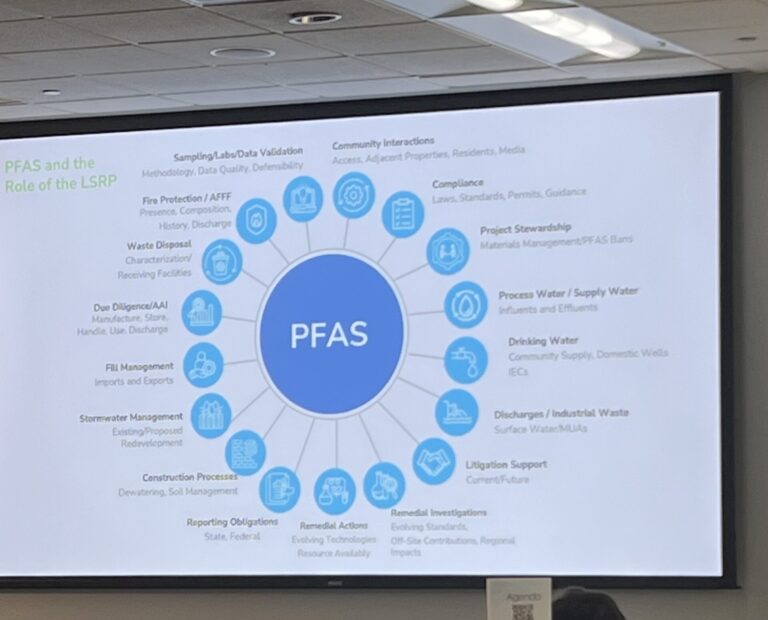
Professionals Unite at the 2025 PFAS Summit to Share Knowledge and Solutions
On October 9 and 10, the PFAS Summit, organized by the New Jersey Department of Environmental Protection (NJDEP) in collaboration with partners like the New Jersey Institute of Technology (NJIT), drew an impressive crowd at the NJIT campus in Newark. With nearly 300 participants, the summit featured a diverse lineup of speakers, each bringing unique perspectives and expertise to the discussion. For those interested in learning more about the speakers' backgrounds, a link to their bios is available, along with a detailed agenda of the event.READ ARTICLE#PFASOpen Paula Figueroa-Vega, Jersey Water Works Director in a new tabSOURCE
Paula Figueroa-Vega, Jersey Water Works Director
-
 09/24/25
Lead Disclosure Bill Now Law
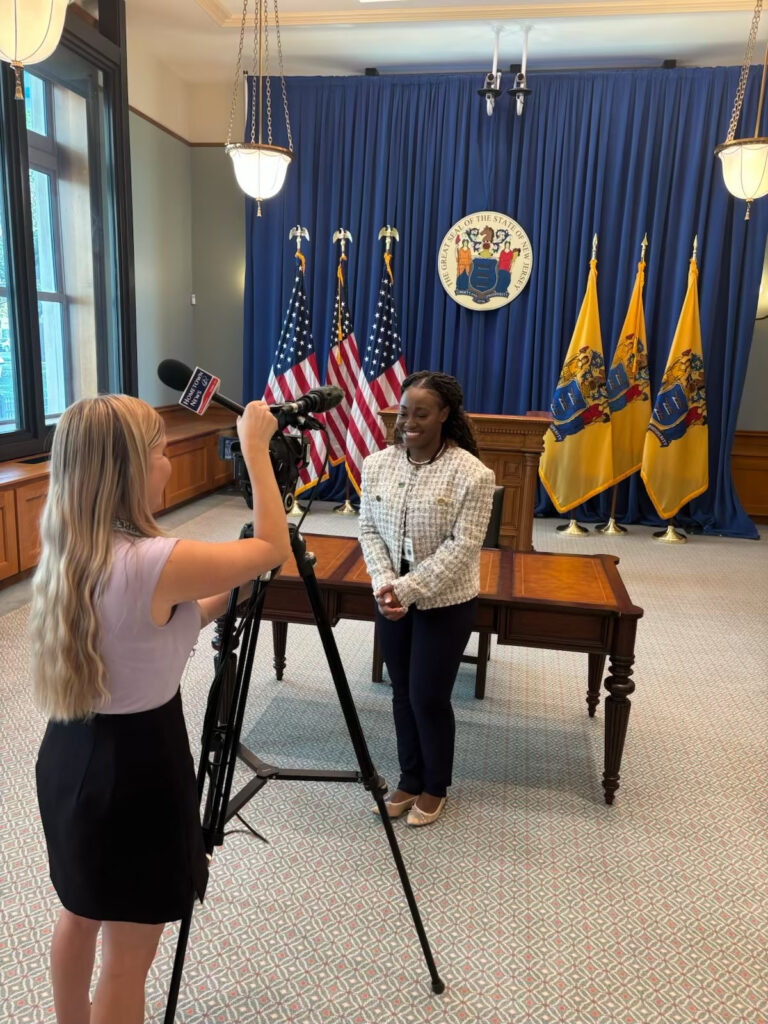
Lieutenant Governor Way signed into law New Jersey’s Bill S1034/A2929, marking a major victory for public health and tenant protections across the state. The legislation, which passed with unanimous approval in the state legislature, ensures that all tenants will receive critical information about potential lead exposure in their drinking water.READ ARTICLE
“Tenants are often the population least likely to know their status,” explains Deandrah Cameron, policy manager at New Jersey Future. “This new law ensures a more comprehensive, timely, and accurate disclosure process to all tenants, including those who don’t directly pay their water bills.”#Drinking Water, #LeadOpen Jersey Water Works in a new tabSOURCE
Jersey Water Works
-
 12/19/24
Water Professionals, Community Advocates, Policymakers, and Industry Leaders Connect
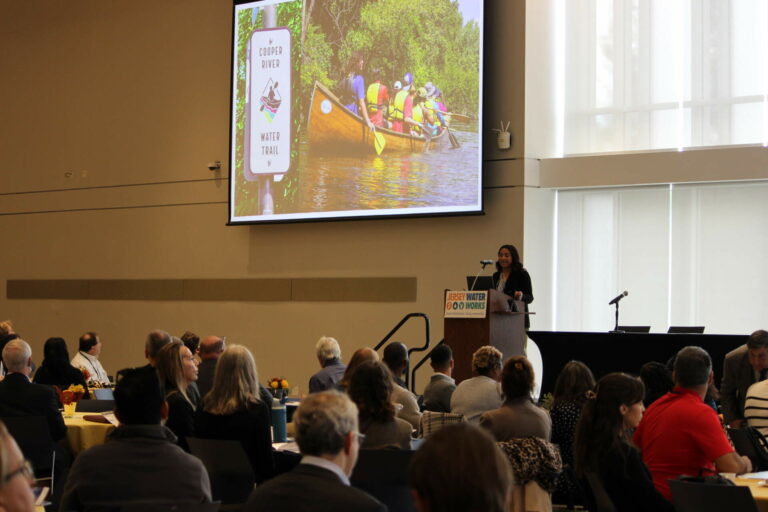
The Tenth Annual Jersey Water Works conference, a gathering of over 200 water professionals, community advocates, and policymakers from diverse backgrounds and regions of New Jersey, took place on December 13, 2024, at The College of New Jersey. The event marked a decade of progress in water management, fostering discussions on key issues and opportunities in the field.READ ARTICLE#Affordability, #Climate Resilience, #Community Engagement and Partnerships, #Data, #Drinking Water, #Green Infrastructure/Stormwater Management, #Lead, #Paying for Water Infrastructure, #Smart CSO Control Plans, #Wastewater, #WorkforceSOURCE
Paula Figueroa-Vega, Jersey Water Works Director
46 Results Found
-
 03/19/21
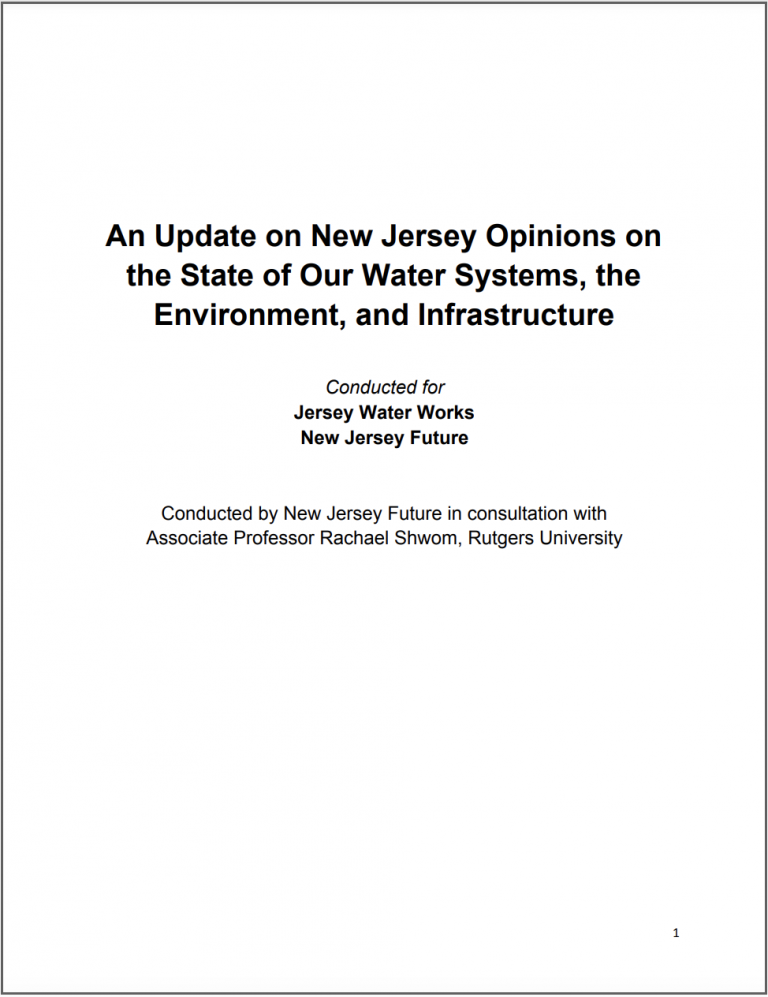
An Update on New Jersey Opinions on the State of Our Water Systems, the Environment, and Infrastructure
Jersey Water Works and New Jersey Future today released the results of a survey of 1,176 New Jersey residents that indicate that residents continue to believe that securing clean, safe drinking water should be the top environmental priority for the governor and Legislature. The survey, an abridged follow up to one conducted in 2017, shows that concern about lead in drinking water has remained steady with over three-quarters of the respondents ...LEARN MORE#Community Engagement and Partnerships,#Data,#Drinking Water,#LeadPRODUCT OF
-
 03/01/21
Understanding How the Water Sector is Organized in New Jersey
This document describes the general structure of the water sector in New Jersey, providing background and context for the types of water systems included in Jersey WaterCheck. Specifically, this document explains: How different water systems are classified in New Jersey Which of those systems are included or excluded in Jersey WaterCheck and why How systems in Jersey WaterCheck are classified, if different from the standard nomenclature The ...LEARN MORE#Data,#Drinking Water,#Lead,#Smart CSO Control Plans,#WastewaterPRODUCT OF
-
 03/01/21
Understanding Jersey WaterCheck Data – Metrics
This document lists Jersey WaterCheck metrics by “Communications Category” with: Relevant metric descriptor Survey question (if applicable) Data source Additional contextual information, and data sourceLEARN MORE#Data,#Drinking Water,#Lead,#WastewaterPRODUCT OF
-
 03/01/21
Understanding Jersey WaterCheck Data – Terms and Systems
This document explains the following related to Jersey WaterCheck: Terms used, their definitions, and clarification if they differ from typical industry usage Which “systems” were included/excluded and the basic information provided for each The breakdown of systems based on population servedLEARN MORE#Data,#Drinking Water,#Lead,#WastewaterPRODUCT OF
-
 03/01/21
Jersey WaterCheck Frequently Asked Questions
Jersey WaterCheck was created by Jersey Water Works, a collaborative working to improve water infrastructure in New Jersey. Jersey WaterCheck was designed to help people understand and connect to their water and wastewater systems and to measure key parts of our state’s water infrastructure. By putting all this information in one place, Jersey WaterCheck can help New Jersey residents, decision makers, and water system managers understand the ...LEARN MORE#Data,#Drinking Water,#Lead,#WastewaterPRODUCT OF