


Wastewater

“Wastewater” refers to contaminated water that cannot be consumed. “Wastewater” is used water from any combination of domestic, industrial, commercial, or agricultural activities, surface runoff or stormwater, and any sewer inflow or sewer infiltration. As a term, “wastewater” includes both industrial and sanitary (i.e., municipal) categories. Thus, there are industrial wastewater treatment systems and sanitary/municipal wastewater collection and treatment systems. “Sewage” is wastewater that is produced by a community of people (i.e., domestic/municipal wastewater), which mostly consists of greywater (from sinks, bathtubs, showers, dishwashers, and clothes washers), blackwater (the water used to flush toilets, combined with the human waste and toilet paper that it flushes away), and soaps/detergents. Thus, this term is associated with municipal wastewater systems.
The Environmental Protection Agency (EPA) explains that “the collection and treatment of domestic sewage and wastewater is vital to public health and clean water. It is among the most important factors responsible for the general level of good health enjoyed in the United States. Sewers collect sewage and wastewater from homes, businesses, and industries and deliver it to wastewater treatment facilities before it is discharged to water bodies or land, or reused.”
-
 08/09/22
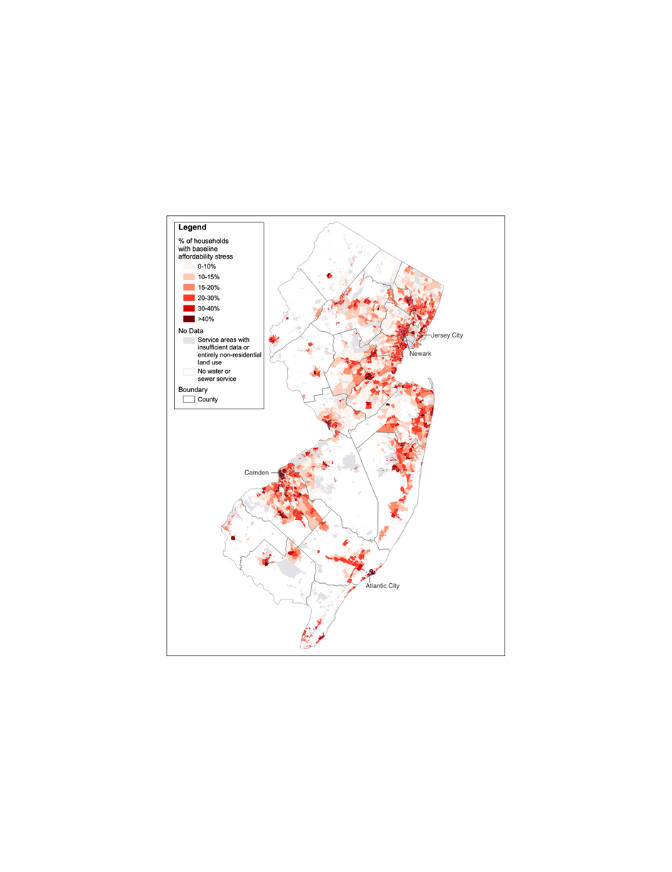
Affordability of Residential Drinking Water and Sewer Utility Services
An analysis of New Jersey estimates water and sewer costs pose affordability concerns for roughly one-fifth of all households.READ ARTICLE#Affordability, #Drinking Water, #WastewaterSOURCE
Daniel J. Van Abs, PhD, FAICP/PP in collaboration with Tim Evans and Kimberley Irby, NJF -
 02/22/22
In the face of more intense flooding issues, experts share innovative solutions for building climate resilience into our water systems
“Resiliency is not a luxury anymore—it’s a necessity.” This statement by Oleg Kostin, Director of Operations at New Jersey American Water, was echoed throughout the Resilient Water Systems in the Face of a Changing Climate workshop at the 2021 Jersey Water Works conference. In September 2021, the remnants of Hurricane Ida barreled through New Jersey, serving as a brutal reminder that climate change is already here and the consequences will only ...READ ARTICLE#Climate Resilience, #Drinking Water, #WastewaterSOURCE
Kim Irby, Jersey Water Works CSO Committee backbone staff -
 12/13/21
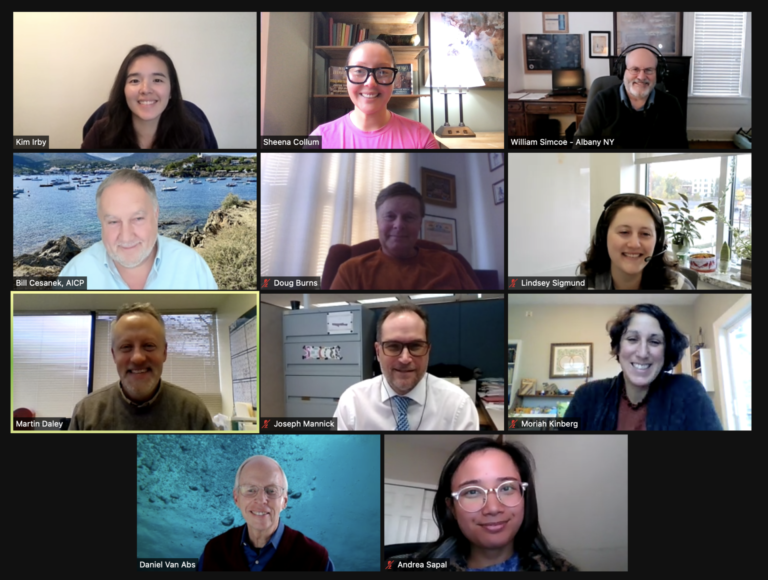
Planning and Utilities, Cities and CSOs—The Value of Collaboration to Improve Municipalities
Collaborative approaches improve cost-effectiveness, the health of our residents, and the environment. There are a number of goals and benefits that derive from collaborative approaches, according to CDM Smith Vice President and Senior Infrastructure Planner Bill Cesanek at the Nov. 12 “Planning and Utilities, Cities and CSOs—The Value of Collaboration to Improve Municipalities” workshop. Through his work for different city departments across ...READ ARTICLE#Community Engagement and Partnerships, #WastewaterSOURCE
Andrea Jovie Sapal, Program Associate, New Jersey Future -
08/30/21
Op-ed: We have the cash. It’s time to fix New Jersey’s water systems.
This op-ed, co-authored by Jersey Water Works co-chairs, Nicole Miller and Andy Kricun, appeared on nj.com on August 26, 2021.READ ARTICLE#Drinking Water, #Lead, #Paying for Water Infrastructure, #Smart CSO Control Plans, #WastewaterOpen Nicole Miller and Andy Kricun, Jersey Water Works Co-Chairs in a new tabSOURCE
Nicole Miller and Andy Kricun, Jersey Water Works Co-Chairs
-
 08/02/21
How is Wastewater Treated to Protect Our Waterways? Learn from Jersey WaterCheck Metrics
An informative interview with Jersey WaterCheck Data Advisory Committee member Kevin Whitney, who is a wastewater regulatory compliance specialist at Atlantic County Utilities Authority (ACUA), about the wastewater treatment process and what it’s like to work at a wastewater treatment plant. Also check out a new video explaining the context and nuances of the metric “et NJ effluent discharge quality requirements.”READ ARTICLE#Data, #WastewaterOpen Kimberley Irby, Policy Analyst, New Jersey Future in a new tabSOURCE
Kimberley Irby, Policy Analyst, New Jersey Future
-
 04/17/20
COVID Response Recommendations to Ensure Universal Access to Clean Water
The Jersey Water Works Asset Management and Finance Committee submitted the following recommendations in response to the COVID-19 outbreak to the Governor’s office on April 17, 2020. These recommendations address the inequitable impacts of the pandemic during and immediately following the outbreak, both on low-income customers who can’t afford to pay their water bills, and on water and wastewater utilities that require adequate revenue to ...LEARN MORE#WastewaterPRODUCT OF
-
 03/30/20
Coronavirus Compendium
Moonshot Missions created this compendium of suggested best practices for water utilities surrounding the COVID-19 Coronavirus. These key considerations highlight ways that water utilities can “flatten the curve” while sustaining operation of their drinking water and wastewater facilities.LEARN MORE#Drinking Water,#Wastewater -
 03/27/19
Basic Water Utility Management: A Guide for Local Leaders
This brief, Basic Water Utility Management: A Guide for Local Leaders, presents tools to help mayors understand their water systems and utilities better. Cities are better off with strong water systems, but these take time, investment, and political will to build and maintain. Many cities are facing aging infrastructure, water quality challenges, combined sewer overflows, and more. These things impact the quality of life of everyone within the ...LEARN MORE#Drinking Water,#Wastewater -
 02/28/19
The Economic Impacts of a $1 Billion Increase in New Jersey Drinking Water, Wastewater and Stormwater Capital Investment
This report, The Economic Impacts of a $1 Billion Increase in New Jersey Drinking Water, Wastewater and Stormwater Capital Investment, examines how investing the additional $1 billion needed on the drinking water, wastewater and stormwater networks would create economic benefits throughout the state economy. The report was commissioned by the Utility and Transportation Contractors Association.LEARN MORE#Paying for Water Infrastructure,#Wastewater -
 10/12/18
Drinking Water and Wastewater Infrastructure: Information on Identified Needs, Planning for Future Conditions, and Coordination of Project Funding
The U.S. Government Accountability Office was asked to review federal programs that provide funding for drinking water and wastewater infrastructure. This report describes (1) how federal agencies and selected states identify drinking water and wastewater infrastructure needs; (2) how federal agencies have supported selected states’ planning for future conditions that may affect needs; and (3) the extent to which federal and state agencies have ...LEARN MORE#Drinking Water,#Lead,#Paying for Water Infrastructure,#Wastewater
