


Drinking Water

“Water” refers to potable water (i.e., drinking water), or water that is safe for consumption. Drinking water comes from a variety of sources and is treated to meet state and federal standards for consumption. Ensuring safe and healthy drinking water is regulated by the U.S. Environmental Protection Agency (EPA). The EPA establishes maximum contaminant levels for various contaminants. There are nearly 600 community water systems, which provide drinking water to approximately 87% of New Jersey’s population.
70 Results Found
-
08/17/22
On water, NJ faces a confluence of challenges
Jersey Water Works co-chair Andy Kricun, from Moonshot Missions & US Water Alliance, shares his thoughts on the recent challenges to New Jersey's water supply.READ ARTICLE#Climate Resilience, #Drinking Water, #Lead, #WastewaterOpen NJ Spotlight News in a new tabSOURCE
NJ Spotlight News
-
 08/09/22
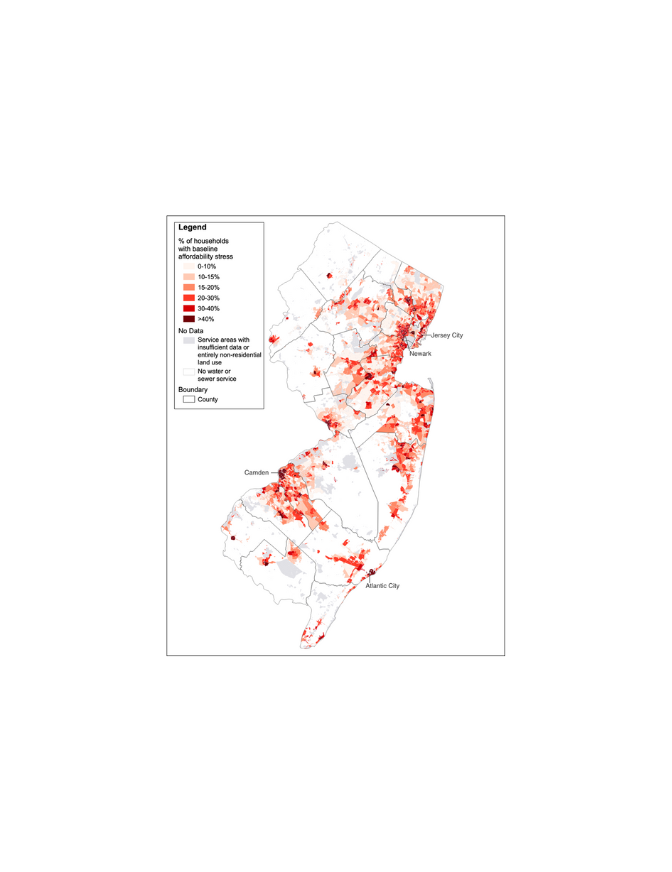
Affordability of Residential Drinking Water and Sewer Utility Services
An analysis of New Jersey estimates water and sewer costs pose affordability concerns for roughly one-fifth of all households.READ ARTICLE#Affordability, #Drinking Water, #WastewaterSOURCE
Daniel J. Van Abs, PhD, FAICP/PP in collaboration with Tim Evans and Kimberley Irby, NJF -
 02/22/22
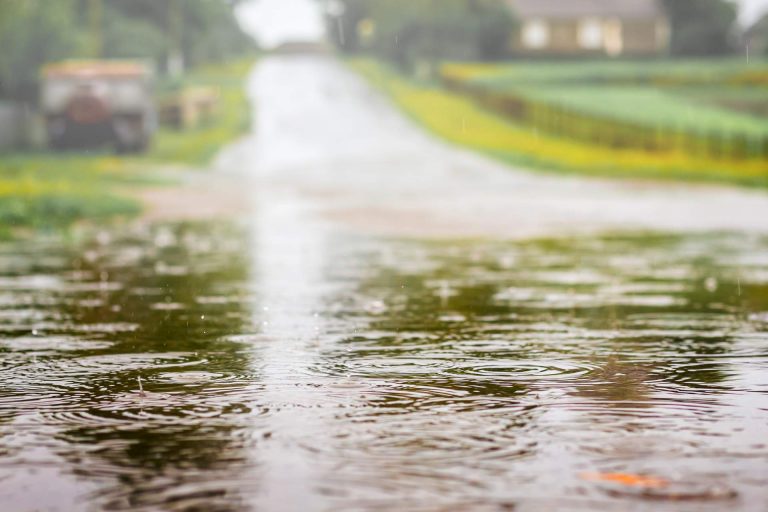
In the face of more intense flooding issues, experts share innovative solutions for building climate resilience into our water systems
“Resiliency is not a luxury anymore—it’s a necessity.” This statement by Oleg Kostin, Director of Operations at New Jersey American Water, was echoed throughout the Resilient Water Systems in the Face of a Changing Climate workshop at the 2021 Jersey Water Works conference. In September 2021, the remnants of Hurricane Ida barreled through New Jersey, serving as a brutal reminder that climate change is already here and the consequences will only ...READ ARTICLE#Climate Resilience, #Drinking Water, #WastewaterSOURCE
Kim Irby, Jersey Water Works CSO Committee backbone staff -
 01/12/22
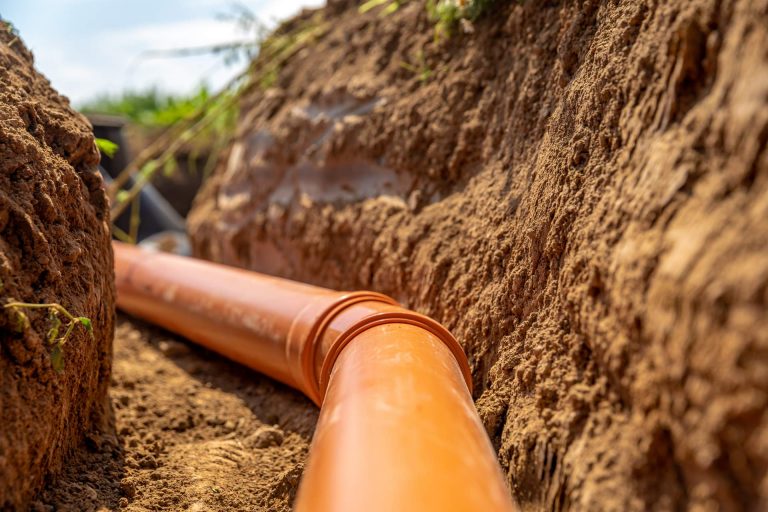
Lead Service Line Replacement… And Now For the Hard Part
In July, 2021, Governor Murphy signed a new law (P.L.2021, c.183; https://www.njleg.state.nj.us/2020/Bills/AL21/183_.HTM) requiring the state’s water utilities to replace lead service lines (LSLs) within ten years. Implementation will be challenging. The few cities in other states that have successfully tackled this problem typically required 20 to 25 years to complete the job. To accelerate the effort, Jersey Water Works’ Lead in Drinking Water ...READ ARTICLE#Drinking Water, #LeadSOURCE
Gary Brune, JWW Lead in Drinking Water Task Force backbone staff -
 11/15/21
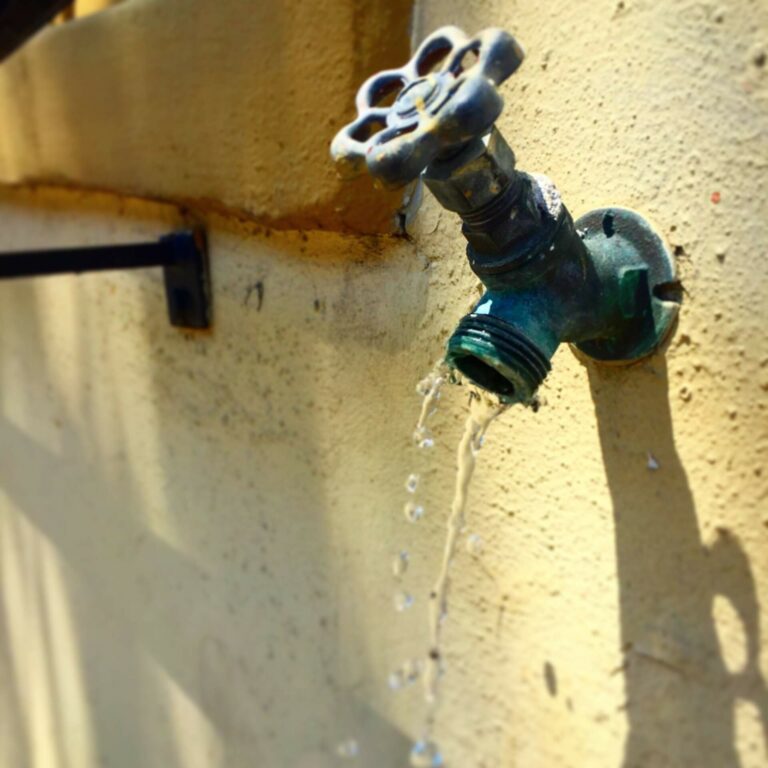
NJ sets tougher standards for drinking water suppliers
Incoming Jersey Water Works co-chairs Andy Kricun, from Moonshot Missions & US Water Alliance, and Nicole Miller, from Newark DIG share their thoughts on this ‘once-in-a-generation’ opportunity to fix leaking pipes and drains.READ ARTICLE#Drinking Water, #Paying for Water InfrastructureOpen NJ Spotlight News in a new tabSOURCE
NJ Spotlight News
46 Results Found
-
 04/15/19
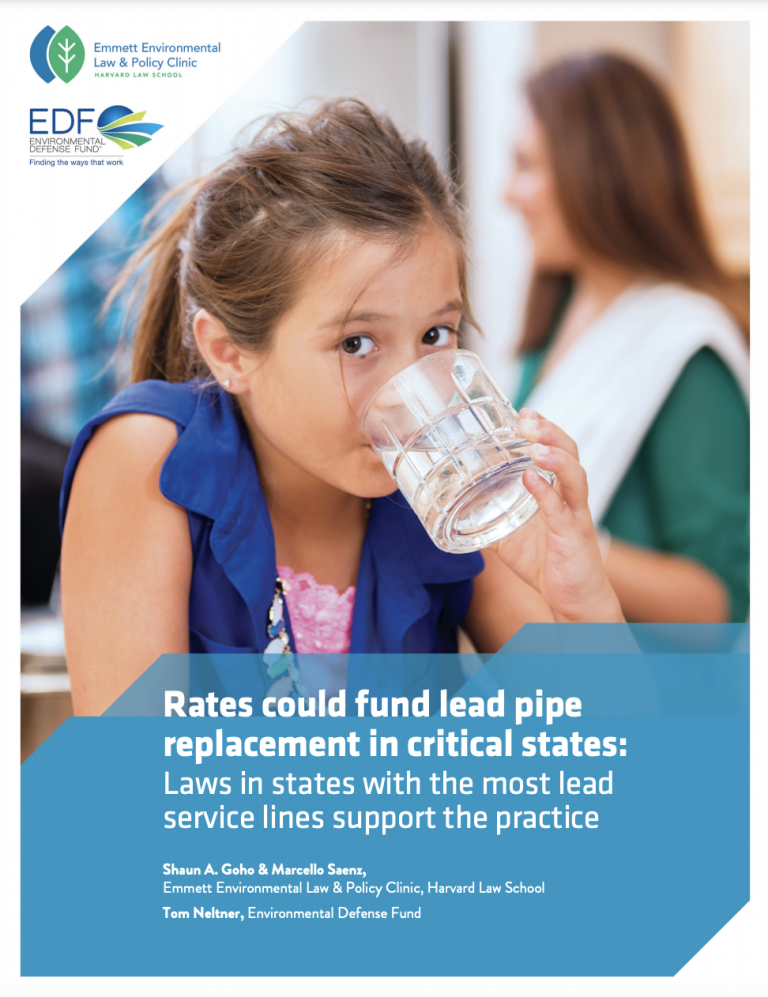
Rates could fund lead pipe replacement in critical states: Laws in states with the most lead service lines support the practice
In Rates could fund lead pipe replacement in critical states, Emmett Environmental Law & Policy Clinic at Harvard Law School and Environmental Defense Fund reviewed state laws and policies in 13 states with the most lead service lines (LSLs), and found no explicit barriers to using rate funds to replace the lines on private property. These states have an estimated 4.2 million LSLs, more than two-thirds of the nation’s total. In these states, ...LEARN MORE#Drinking Water,#Lead -
 04/01/19
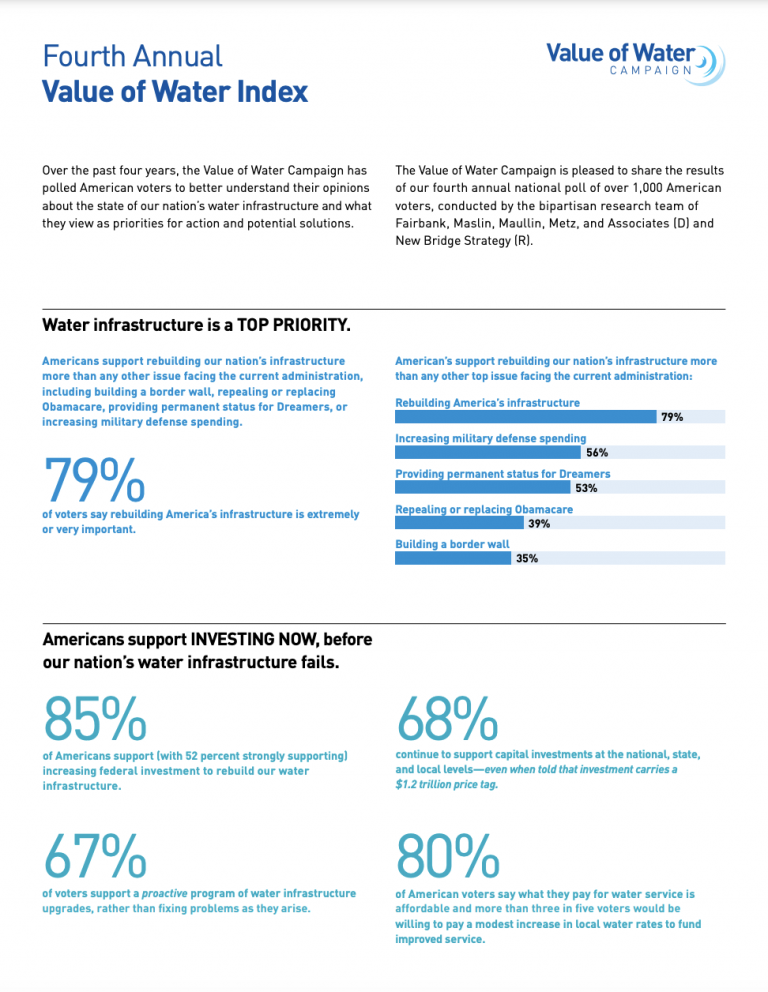
Results from 2019 Value of Water Index: American Support for Investments in Water Infrastructure
Results from the 2019 Value of Water Index: American Support for Investments in Water Infrastructure shows massive bipartisan support for investing in water infrastructure. A one-pager with results can also be viewed . Over the past four years, the Value of Water Campaign has polled American voters to better understand their opinions about the state of our nation’s water infrastructure and what they view as priorities for action and potential ...LEARN MORE#Community Engagement and Partnerships,#Drinking Water -
 03/28/19
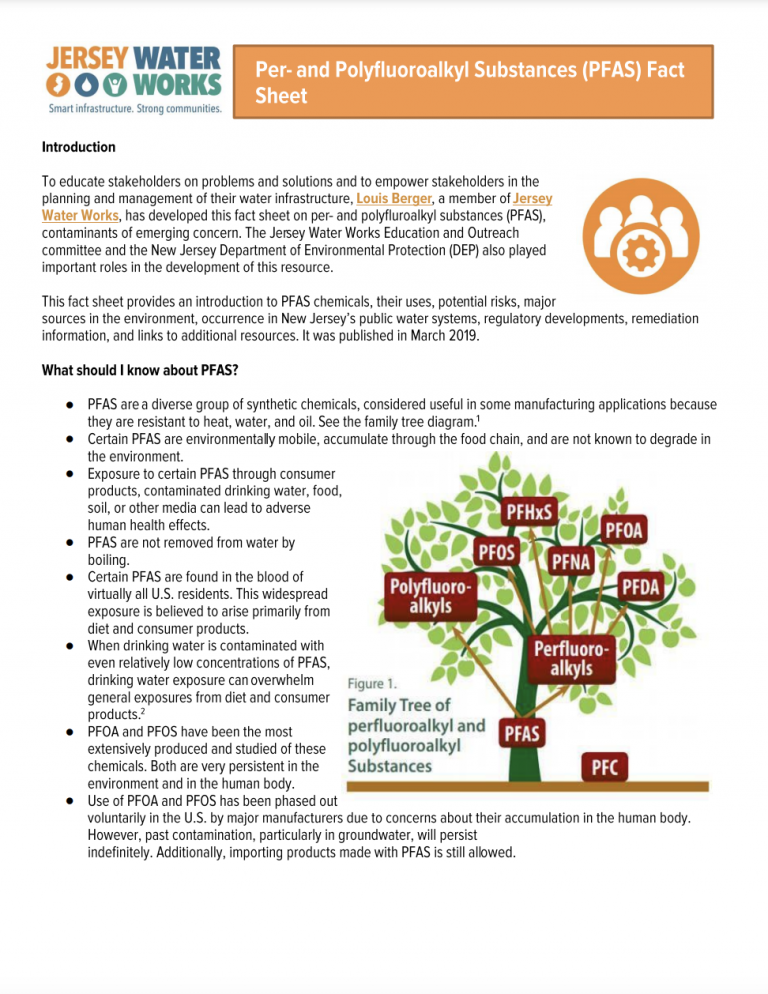
Fact Sheet: Per- and Polyfluoroalkyl Substances (PFAS)
This fact sheet, Per- and Polyfluoroalkyl Substances (PFAS), provides an introduction to PFAS chemicals, their uses, potential risks, major sources in the environment, occurrence in New Jersey’s public water systems, regulatory developments, remediation information, and links to additional resources. It was published in March 2019. To educate stakeholders on problems and solutions and to empower stakeholders in the planning and management of ...LEARN MORE#Community Engagement and Partnerships,#Data,#Drinking WaterPRODUCT OF
-
 03/27/19
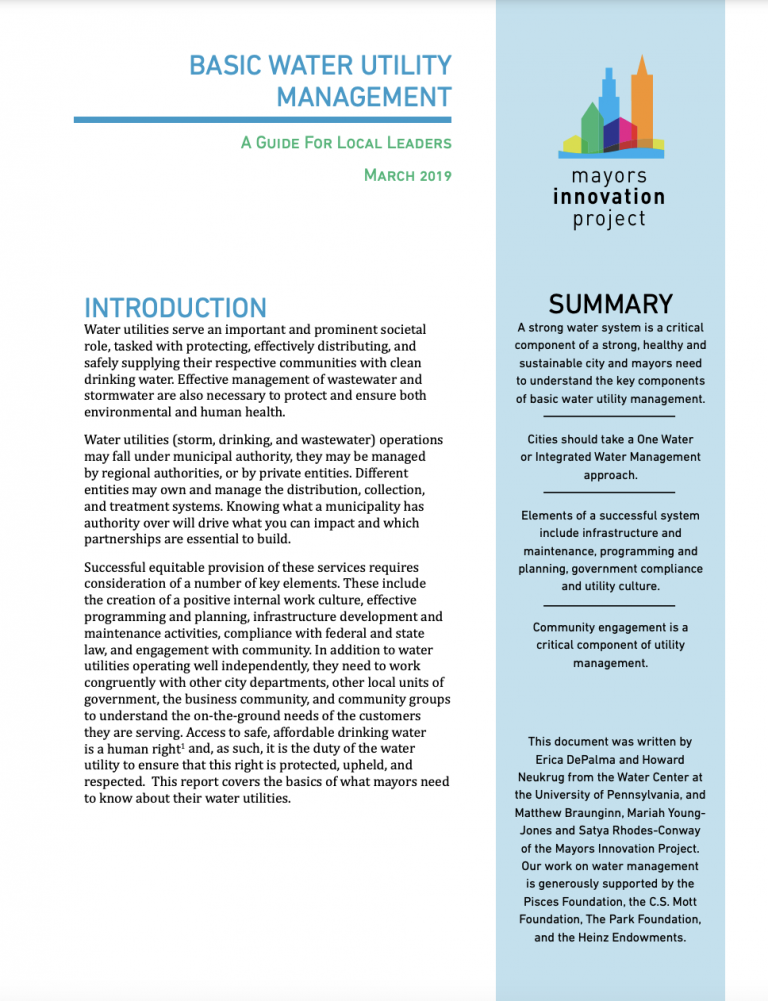
Basic Water Utility Management: A Guide for Local Leaders
This brief, Basic Water Utility Management: A Guide for Local Leaders, presents tools to help mayors understand their water systems and utilities better. Cities are better off with strong water systems, but these take time, investment, and political will to build and maintain. Many cities are facing aging infrastructure, water quality challenges, combined sewer overflows, and more. These things impact the quality of life of everyone within the ...LEARN MORE#Drinking Water,#Wastewater -
 03/26/19
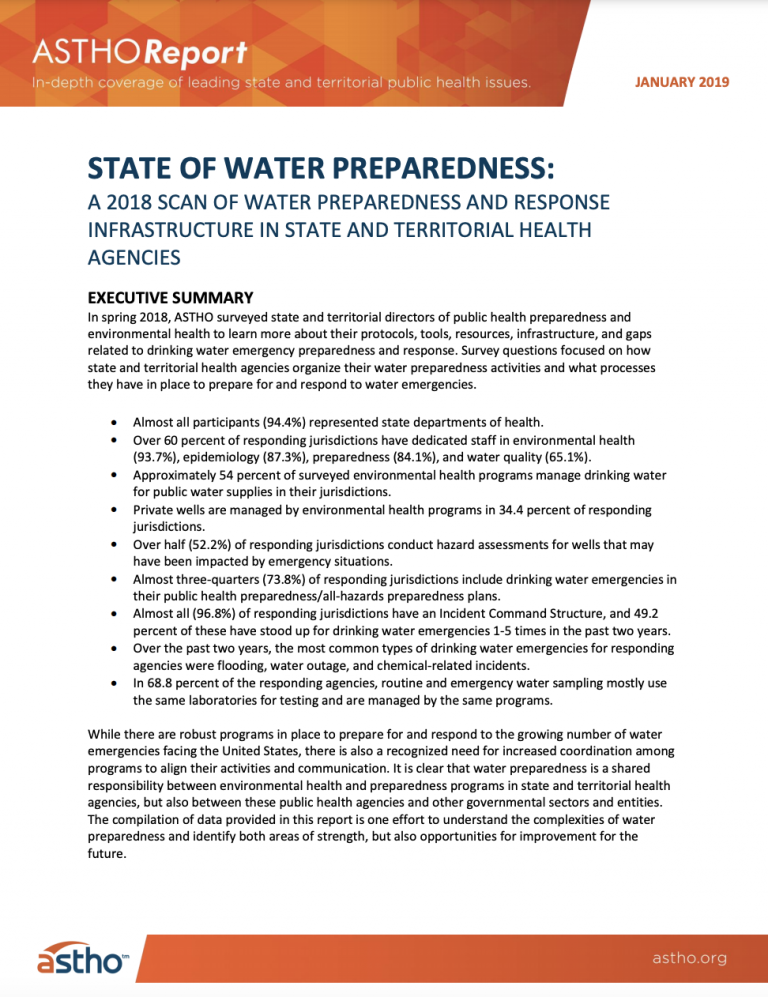
State of Water Preparedness: A 2018 Scan of Water Preparedness and Response Infrastructure in State and Territorial Health Agencies
In spring 2018, ASTHO surveyed state and territorial directors of public health preparedness and environmental health to learn more about their protocols, tools, resources, infrastructure, and gaps related to drinking water emergency preparedness and response. Survey questions focused on how state and territorial health agencies organize their water preparedness activities and what processes they have in place to prepare for and respond to water ...LEARN MORE#Drinking Water
