

Latest News
Stay up to date on the latest news about current Jersey Water Works initiatives, members, New Jersey’s water infrastructure, and press releases.
278 Results Found
-
 08/26/20
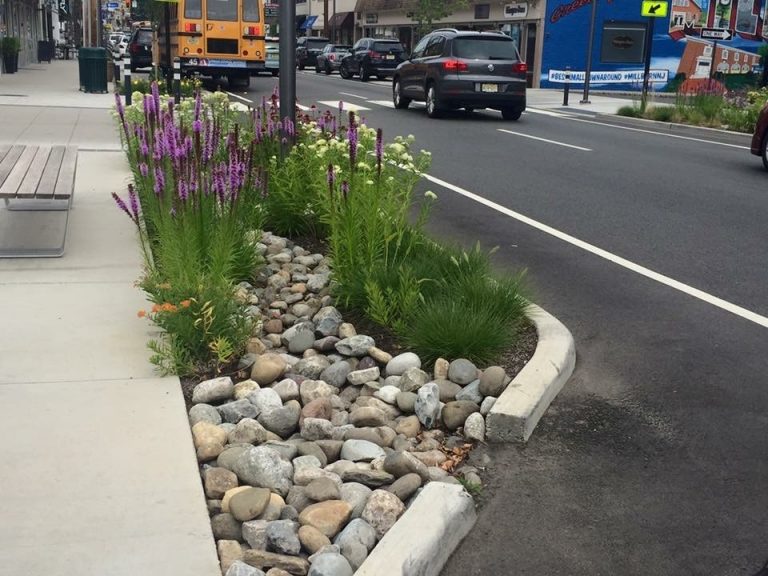
Greening the Garden State: These Three Towns Show You How!
Jersey Water Works and EPA Region 2 recently released case studies on three New Jersey communities—Hoboken, Highland Park, and Camden—to spread awareness about green streets and their environmental, public health, social, and economic benefits.READ ARTICLE#Green Infrastructure/Stormwater ManagementSOURCE
Andrew Tabas, Policy and Program Coordinator, New Jersey Future -
 08/10/20
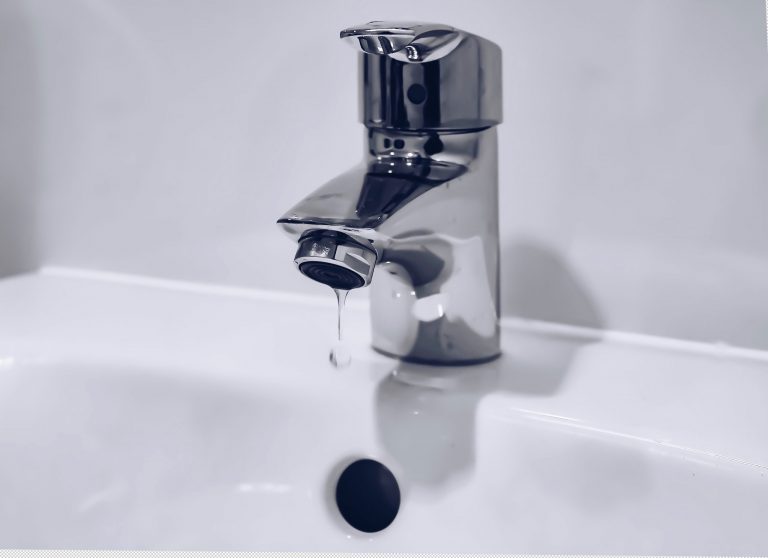
What’s in your water? A new dashboard will help you find out.
In February 2021, Jersey Water Works will launch an online data dashboard, Jersey WaterCheck. Jersey WaterCheck will be the first time data on water infrastructure from multiple sources will come together in one place to tell the story of New Jersey’s water and sewer systems.READ ARTICLE#LeadSOURCE
Jyoti Venketraman, Program Manager, Jersey Water Works -
 07/30/20
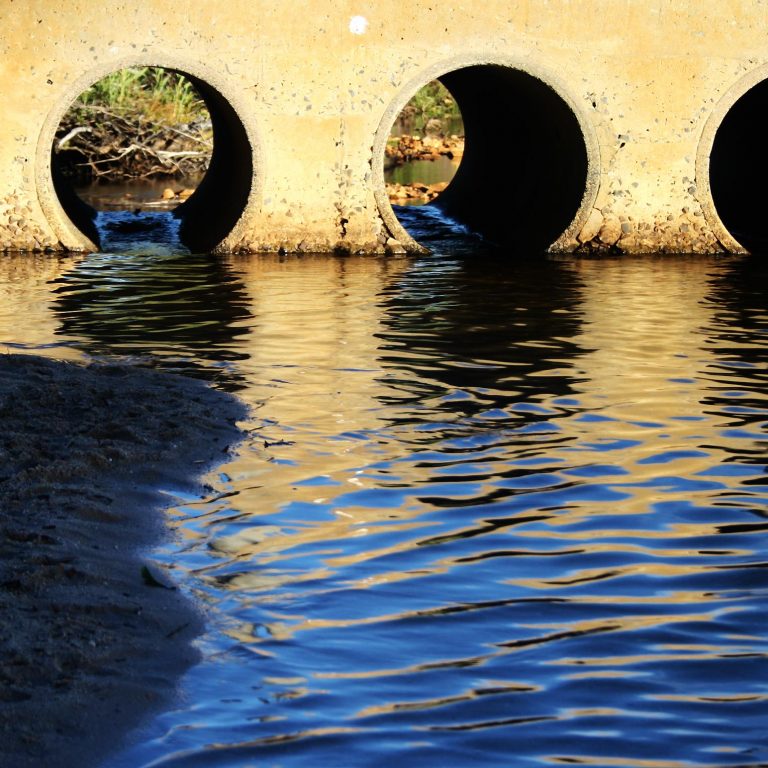
JWW members prioritize collaboration, communication, and engagement at Membership Meeting
The COVID-19 pandemic is highlighting existing water challenges. JWW members gathered virtually on July 20 to hear from water leaders on the importance of data and collaboration to find long-term, innovative solutions.READ ARTICLE#Community Engagement and PartnershipsSOURCE
Missy Rebovich -
 07/24/20
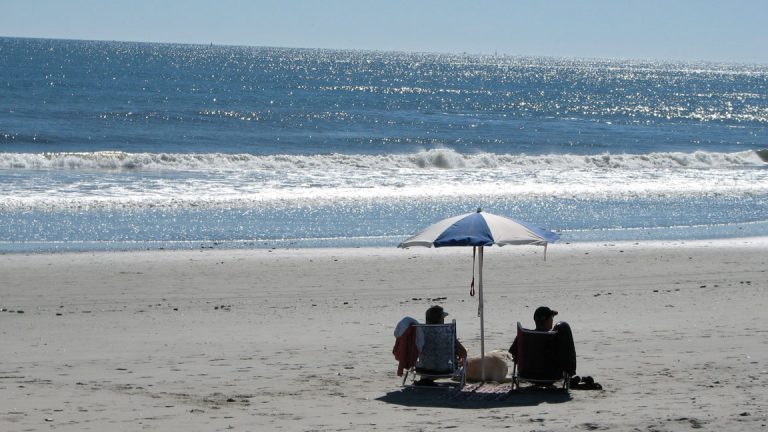
Bacteria Are Fouling the Water off NJ’s Beaches, Advocates Warn. It’s from Leaking Septic Systems, Farms and More
“Report says a third of beaches exceeded federal limits at least once last year, putting swimmers’ health at risk.”READ ARTICLE#Community Engagement and Partnerships, #Data, #Drinking Water, #Green Infrastructure/Stormwater Management, #Paying for Water Infrastructure, #Smart CSO Control Plans, #WastewaterOpen NJ Spotlight News in a new tabSOURCE
NJ Spotlight News
-
 07/23/20
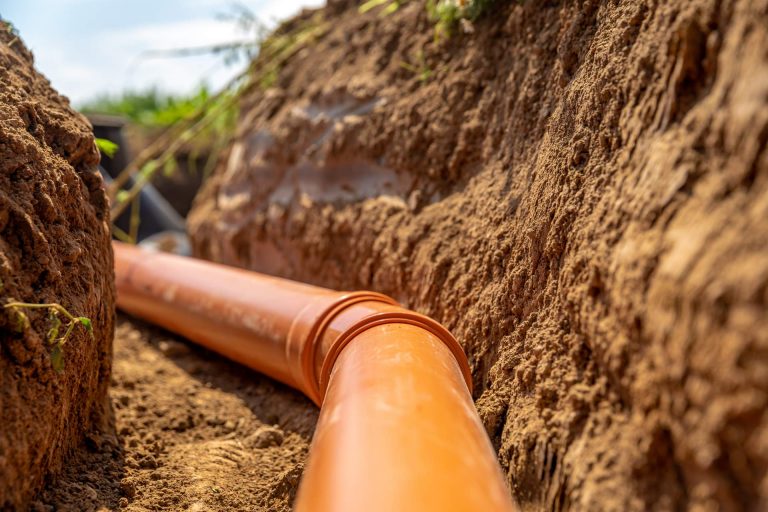
Newark’s Lead Service Line Replacement Program is a Model for the Nation
In 2017, the City of Newark, New Jersey, was facing a crisis: the third consecutive test of the city’s water exceeded the federal limit of 15 parts per billion for lead. Something had to be done. Where others may have been inclined to delay action or downplay the risks, Newark developed a plan that would not only drastically reduce exposure to lead in drinking water but serve as a national model for doing so.READ ARTICLE#LeadOpen Missy Rebovich in a new tabSOURCE
Missy Rebovich