

Latest News
Stay up to date on the latest news about current Jersey Water Works initiatives, members, New Jersey’s water infrastructure, and press releases.
88 Results Found
-
 11/30/22
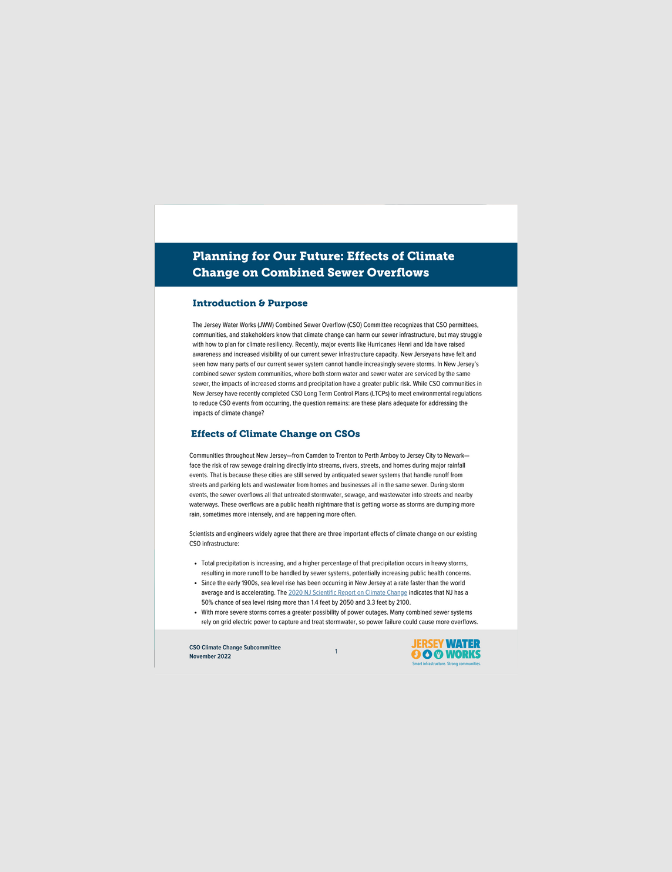
Executive Summary – Planning for Our Future: Effects of Climate Change on CSOs
The Jersey Water Works (JWW) Combined Sewer Overflow (CSO) Committee recognizes that CSO permittees, communities, and stakeholders know that climate change can harm our sewer infrastructure, but may struggle with how to plan for climate resiliency. Recently, major events like Hurricanes Henri and Ida have raised awareness and increased visibility of our current sewer infrastructure capacity. New Jerseyans have felt and seen how many parts of our ...READ ARTICLE#Climate Resilience, #Smart CSO Control Plans -
 10/26/22
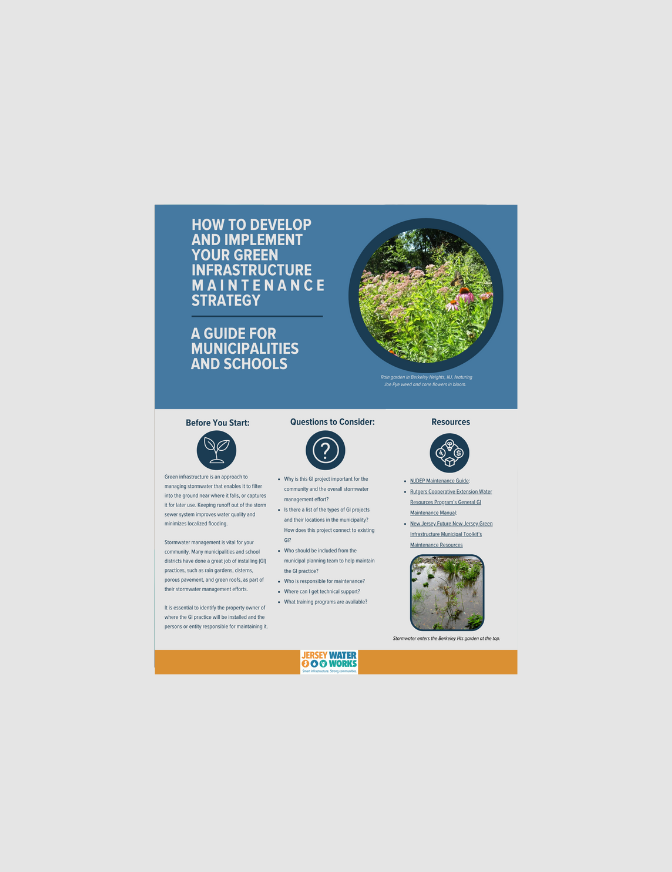
How to Develop and Implement Green Infrastructure Maintenance Strategy One Pager
The Municipal Engagement subcommittee of the Jersey Water Works Green Infrastructure Committee, created this one pager which accompanies this brochure to help municipalities and schools implement and maintain green infrastructure (GI) projects.READ ARTICLE#Green Infrastructure/Stormwater Management -
 10/26/22
Brochure on How to Develop and Implement Green Infrastructure Maintenance Strategy
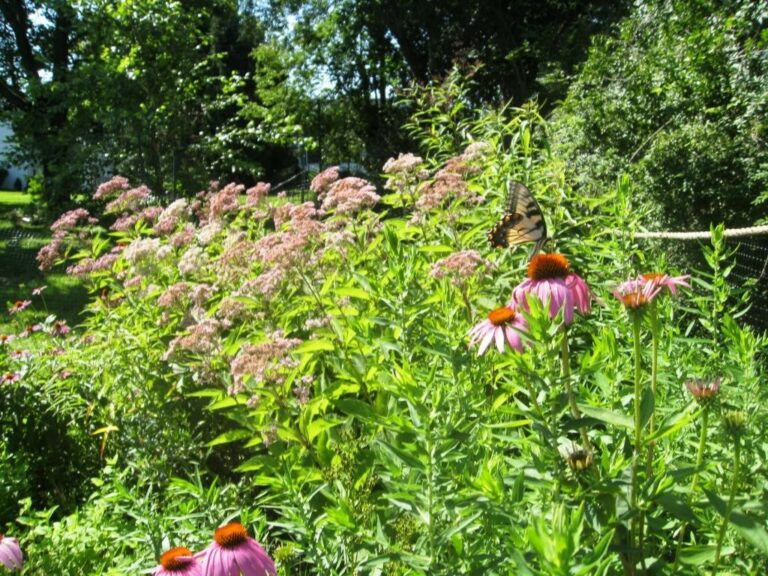
Rain garden in Berkeley Heights, NJ, featuring Joe Pye weed and cone flowers in bloom. Photo credit: R. Leister. The Municipal Engagement subcommittee of the Jersey Water Works Green Infrastructure Committee, created a brochure to help municipalities and schools implement and maintain green infrastructure (GI) projects. This resource highlights success stories along with advice and best practices for GI projects.READ ARTICLE#Green Infrastructure/Stormwater Management -
 08/24/22
Let’s Get the Lead Out of Our Drinking Water: Key Information that NJ Local Officials Need and Want to Know
Access to clean and safe drinking water is important for the health and safety of all individuals in New Jersey, and has been a national priority since Congress passed the Safe Drinking Water Act of 1974. As there is no safe level for lead exposure, water systems in New Jersey are working to meet the new statutory requirement to replace all lead service lines (LSL) by 2031. This monumental effort requires collaboration and coordination; mayors, ...READ ARTICLE#Lead -
 06/30/22
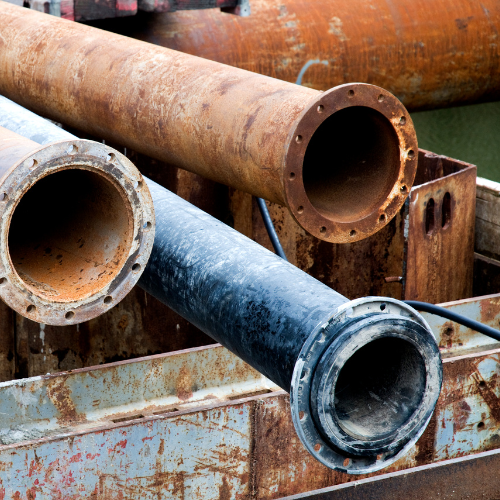
Lead Service Line Replacement Implementation Workshop Recap and Resources
The Lead Service Line Replacement (LSLR) Implementation Workgroup of Jersey Water Works’ Lead in Drinking Water Task Force partnered with the New Jersey Water Association on Tuesday, June 22, 2022, to offer guidance to NJ Water Systems Operators on the implementation the New Jersey statute (P.L. 2021, c.183) enacted on July 22, 2022. Over 160 participants joined the workshop on June 22, which also offered Training Contact Hours (TCH) Credits. ...READ ARTICLE#Lead -
 05/27/22
Stormwater Skills: Training Resources for Green Infrastructure Construction and Maintenance
The Green Infrastructure Committee created the green infrastructure training program inventory to inform municipalities, professionals, and others interested in green infrastructure to identify suitable training programs to fit specific needs. The ultimate goal of this inventory is to help New Jersey residents find training programs that could help them begin, or otherwise further, a career path in green infrastructure including certifications ...READ ARTICLE#Green Infrastructure/Stormwater Management -
 05/27/22
Procurement Toolkit Draft for Request for Qualifications (RFQ)
This document provides a draft scope for an RFQ that would identify consultants who have the requisite expertise to administer either individual aspects or the entirety of the federal and state Lead and Copper Rule Revisions (LCRR), including a lead service line (LSL) replacement program, on behalf of participating water utilities in New Jersey.READ ARTICLE#Lead -
 05/27/22
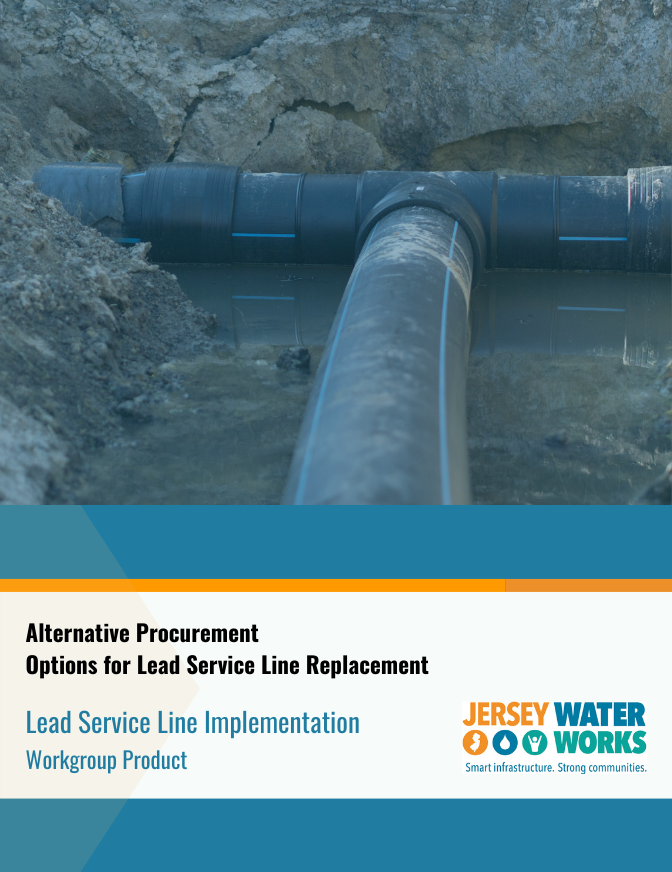
Alternative Procurement Options for Lead Service Line Replacement
State legislation enacted in July 2021 requires water utilities in New Jersey to replace lead service lines (LSLs) within 10 years (i.e., by 2031). Under the best of circumstances, state and federal aid will likely fall far short of the estimated statewide cost of $2.3 billion and, as water utilities seek to perform the work within the deadline, supply and demand for contractor services could increase prices. This paper addresses the question: ...READ ARTICLE#Lead -
 05/27/22
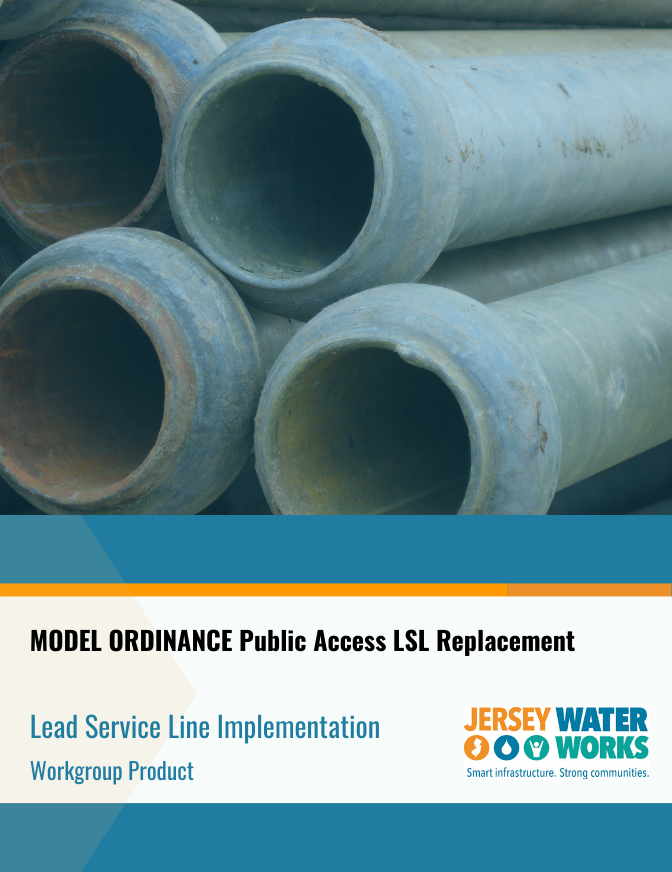
Model Ordinance: Access to Private Property
This model ordinance authorizing public access to private property for the sole purpose of replacing a lead service line (LSL) was drafted from several sources, including the existing law enacted by the City of Newark, NJ. It is meant to convey some of the key elements that should be considered for such an ordinance, which is integral to the efficiency of any LSL replacement program.READ ARTICLE#Lead -
 05/27/22
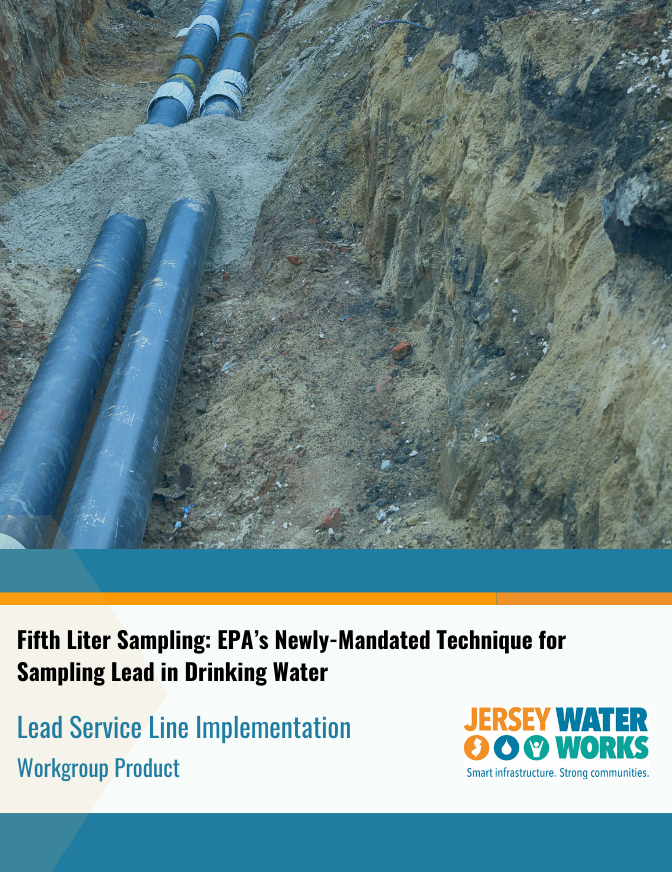
Fifth Liter Sampling: EPA’s Newly-Mandated Technique for Sampling Lead in Drinking Water
In 2022, New Jersey’s Department of Environmental Protection will release its own LCRR proposal which is likely to address how fifth liter sampling will be implemented in New Jersey. This report explains the differences between the most common methods of water sampling and clarifies some of the questions clean water advocates may have about implementation of the new fifth liter sampling method.READ ARTICLE#Lead