


Wastewater

“Wastewater” refers to contaminated water that cannot be consumed. “Wastewater” is used water from any combination of domestic, industrial, commercial, or agricultural activities, surface runoff or stormwater, and any sewer inflow or sewer infiltration. As a term, “wastewater” includes both industrial and sanitary (i.e., municipal) categories. Thus, there are industrial wastewater treatment systems and sanitary/municipal wastewater collection and treatment systems. “Sewage” is wastewater that is produced by a community of people (i.e., domestic/municipal wastewater), which mostly consists of greywater (from sinks, bathtubs, showers, dishwashers, and clothes washers), blackwater (the water used to flush toilets, combined with the human waste and toilet paper that it flushes away), and soaps/detergents. Thus, this term is associated with municipal wastewater systems.
The Environmental Protection Agency (EPA) explains that “the collection and treatment of domestic sewage and wastewater is vital to public health and clean water. It is among the most important factors responsible for the general level of good health enjoyed in the United States. Sewers collect sewage and wastewater from homes, businesses, and industries and deliver it to wastewater treatment facilities before it is discharged to water bodies or land, or reused.”
Nothing found.
-
 08/31/16
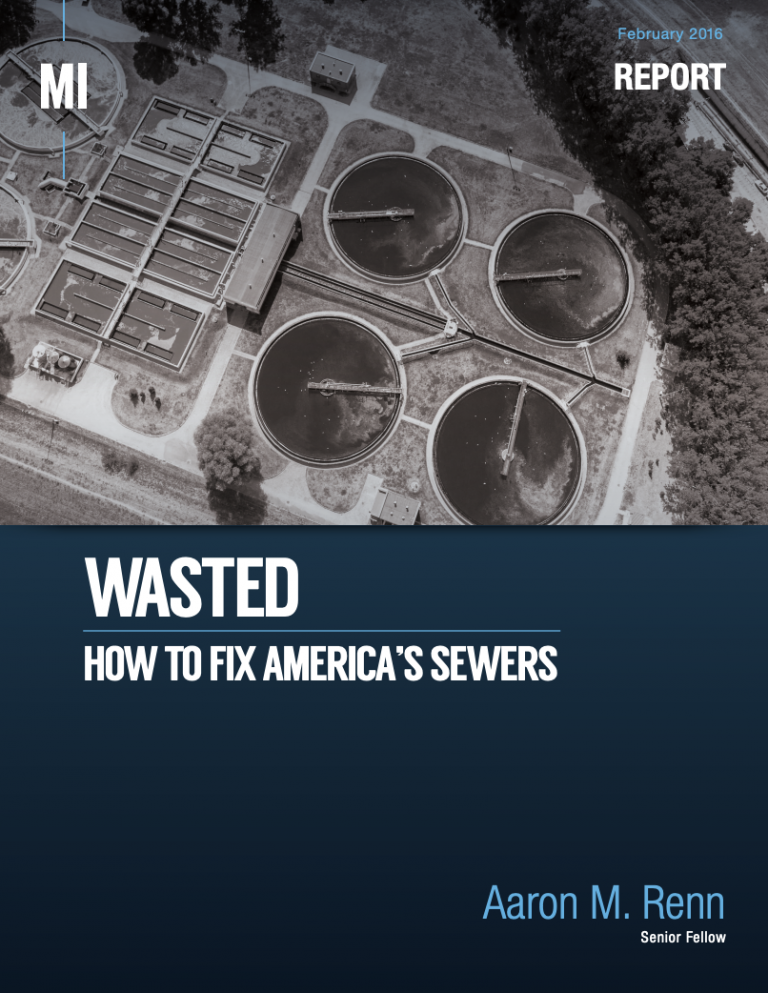
Wasted: How to Fix America’s Sewers
This report highlights how low-income households are affected by the costs of fixing combined sewer overflows. It also recommends strategies to help cities pay for the federally mandated improvements to these systems.LEARN MORE#Affordability,#Smart CSO Control Plans,#Wastewater -
 07/07/16
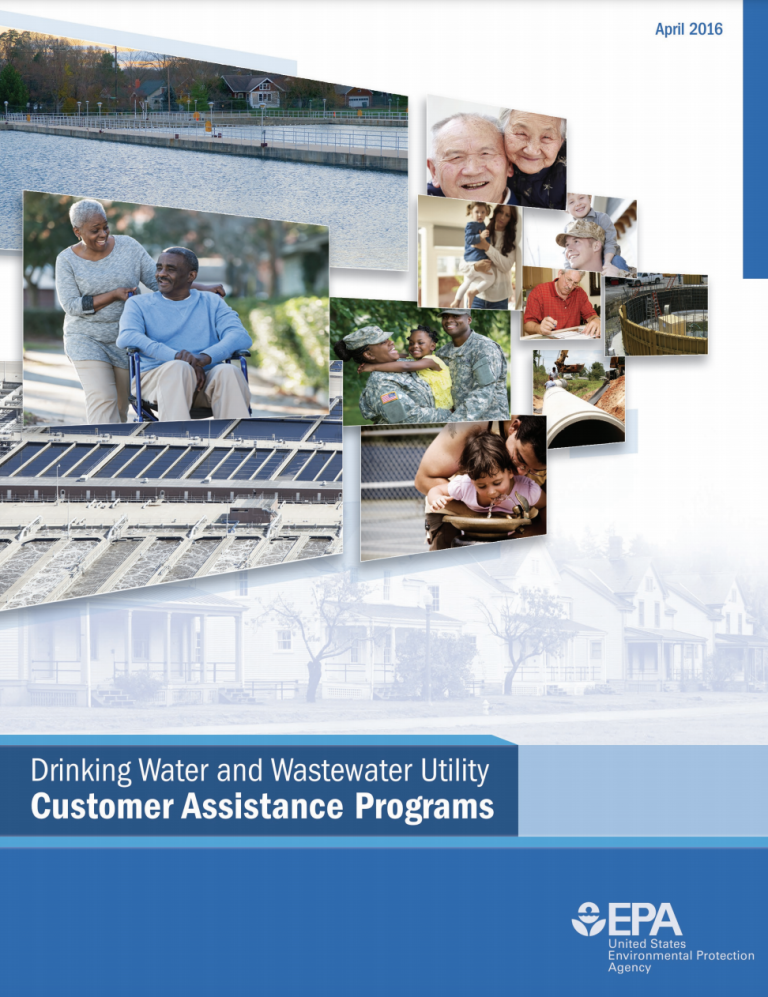
Drinking Water and Wastewater Utility Customer Assistance Programs
This report from the U.S. Environmental Protection Agency describes the types of assistance programs currently in use around the country and details each one’s benefits and costs. The examples show short-term or long-term reductions through a bill discount, flexible terms, lifeline rate, temporary assistance and water efficiency advantages.LEARN MORE#Community Engagement and Partnerships,#Drinking Water,#Wastewater -
 03/31/16
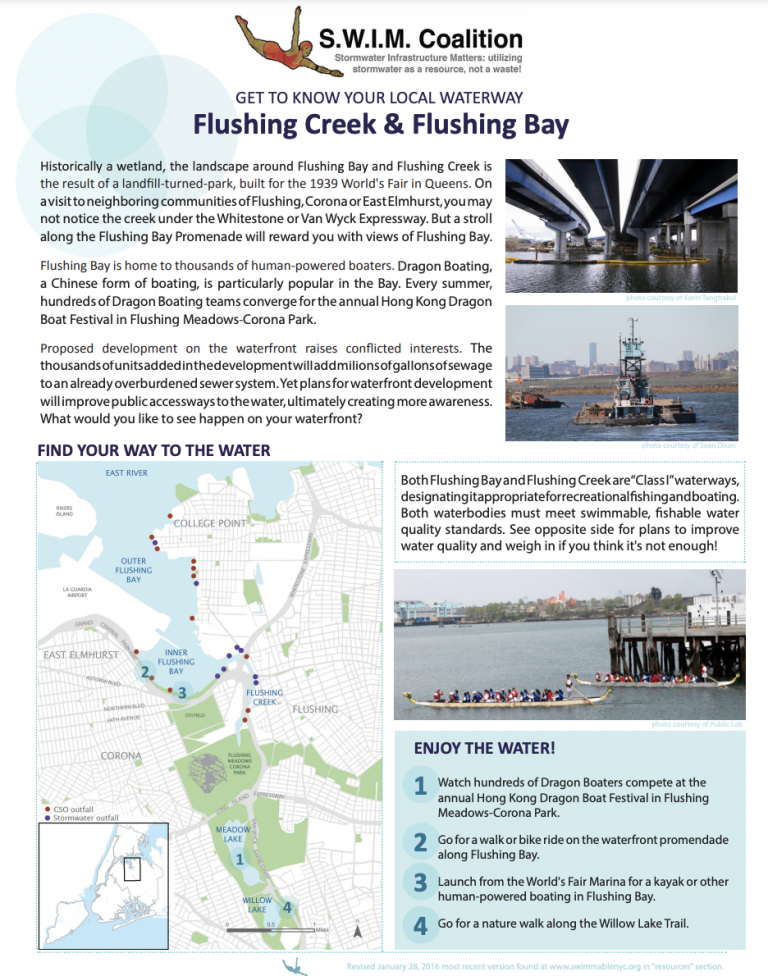
Get to Know Your Local Waterway Flushing Creek & Flushing Bay
This handout by the S.W.I.M Coalition describes the importance of Flushing Creek & Flushing Bay as a community asset and how to improve its water quality.LEARN MORE#Community Engagement and Partnerships,#Drinking Water,#Green Infrastructure/Stormwater Management,#Wastewater -
 03/31/16
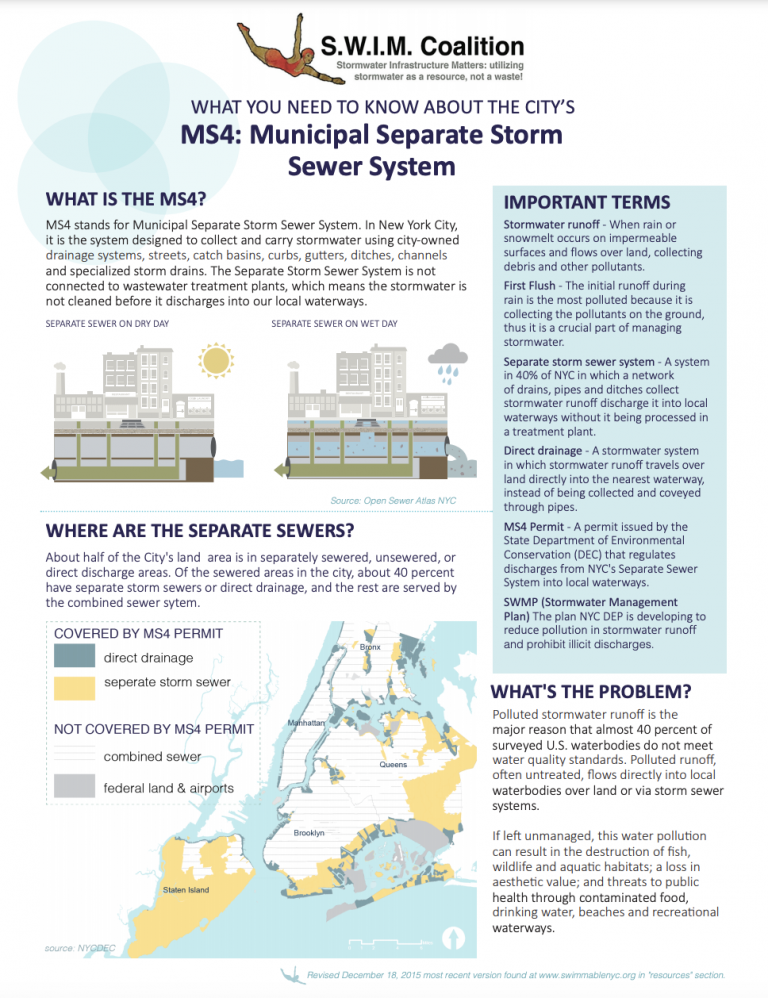
What You Need to Know about the City’s MS4: Municipal Separate Storm Sewer System
This handout by the SWIM Coalition uses accessible language to describe municipal separate storm sewer systems (MS4), the MS4 permit and the stormwater management plan in New York City.LEARN MORE#Wastewater -
 02/08/16
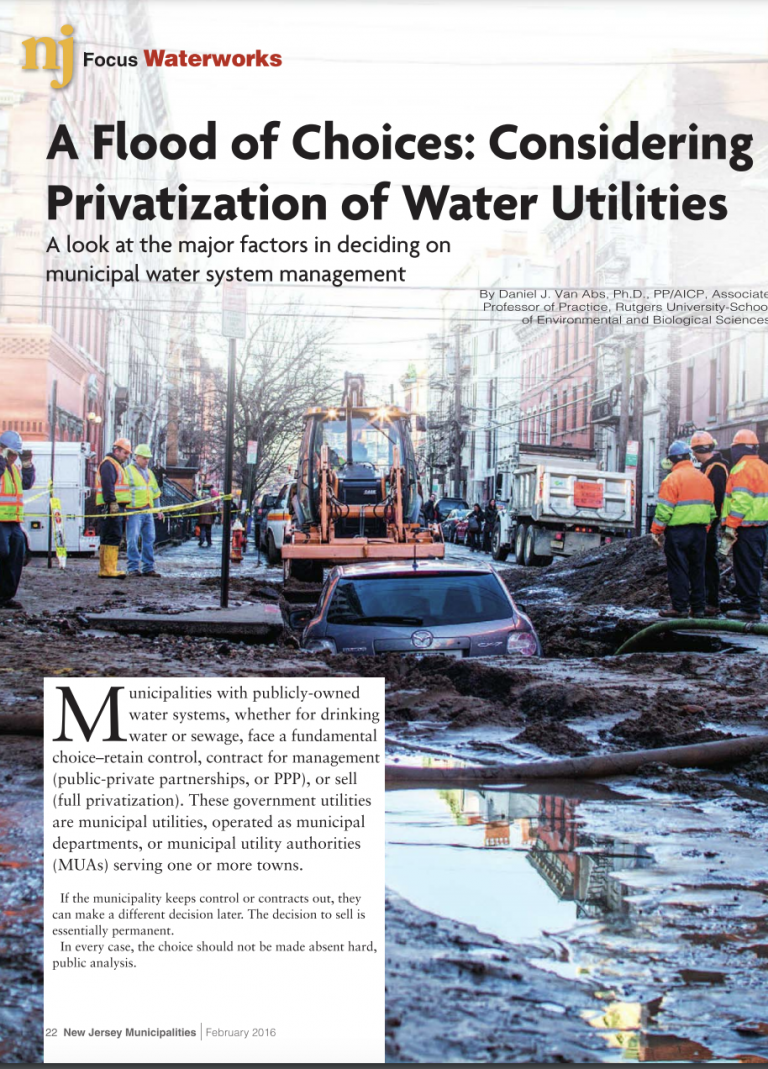
A Flood of Choices: Considering Privatization of Water Utilities
This 2016 article, published in NJ Municipalities, looks at the major factors in deciding on municipal water management.LEARN MORE#Drinking Water,#Wastewater