


Smart CSO Control Plans

Many of New Jersey’s oldest cities still rely on combined sewer systems in which stormwater runoff from city streets feeds into sewer lines along with sewage from homes. In dry weather it’s pumped to a sewer treatment plant where it is then treated. Some of these systems are more than 100 years old.
During heavy rainfalls, the volume of stormwater in the combined systems can overwhelm the capacity of the treatment plant. When that happens, combined sewage and stormwater overflows into local waterways and can back up into streets, public spaces such as parks, and even residential basements.
Jersey Water Works’ initial efforts involved working with communities and utilities that have combined sewer systems to help them identify and implement an appropriate and optimal combination of strategies to reduce sewer overflows. In 2015, the first round of five-year CSO permits were issued by the NJDEP, which required the operators of combined sewer systems to develop a Long Term Control Plan (LTCP) that describes how they intend to reduce overflows. Since then—until the submission of draft LTCPs in 2020—the Jersey Water Works CSO Committee continued the collaborative’s initial efforts by participating in the public input process, assisting communities in submitting comments on the drafts, and submitting its own comments. As the operators begin implementation of the finalized plans and the NJDEP crafts the next five-year permits, the CSO Committee will continue to make recommendations that support cost-effective approaches, affordable options, community benefits, and a balance of green and gray projects.
-
 07/20/21
Use billions from infrastructure deal, COVID-19 aid to fix water problems in poor communities, advocates urge
Incoming Jersey Water Works co-chairs Andy Kricun, from Moonshot Missions & US Water Alliance, and Nicole Miller, from Newark DIG share their thoughts on this ‘once-in-a-generation’ opportunity to fix leaking pipes and drains.READ ARTICLE#Affordability, #Community Engagement and Partnerships, #Drinking Water, #Lead, #Paying for Water Infrastructure, #Smart CSO Control Plans, #WastewaterOpen NJ Spotlight News in a new tabSOURCE
NJ Spotlight News
-
 02/25/21
A Major Milestone for Jersey Water Works: Submission of the CSO Long Term Control Plans
A little over five years since the Jersey Water Works (JWW) collaborative began, we are celebrating an achievement related to the single issue that sparked its creation.READ ARTICLE#Smart CSO Control PlansSOURCE
Andrew Kricun, CSO Committee Co-Chair, and Kimberley Irby, CSO Committee Backbone Staff -
 01/28/21
Conference Highlights: Racial Equity, Collaboration, and Resilience as Themes
The sixth annual Jersey Water Works Conference brought together a record-breaking 355 stakeholders and 29 speakers over 11 sessions to share the latest ideas on water funding, CSOs, transparency and data, water workforce, water equity and resilience, and more. This is the first blog post of two recapping the December 9-11 event.READ ARTICLE#Drinking Water, #Green Infrastructure/Stormwater Management, #Smart CSO Control PlansSOURCE
Paula Figueroa-Vega and Lauren Belsky, Jersey Water Works Backbone Staff -
 12/13/20
Cleanup of our water continues: NJ 2020, the year of COVID-19
In 2021, there is a chance of turning the corner in water infrastructure projects following a year of progress in lead-line replacement, curbing sewage overflows and state funding. Mark Mauriello talked about how Jersey Water Works members are finding collaborative solutions to big problems at the NJ Spotlight News Water Infrastructure NJ roundtable.READ ARTICLE#Drinking Water, #Lead, #Paying for Water Infrastructure, #Smart CSO Control Plans, #WastewaterOpen NJ Spotlight News in a new tabSOURCE
NJ Spotlight News
-
 10/22/20
Finance sources can ease daunting cost of renewing water infrastructure, experts say
“The price tag for fixing New Jersey’s creaking water infrastructure is an eye-watering $25 billion over the next 20 years, according to a water-industry collaborative, but a range of financing options could soften the impact and allow critical improvements to be made, experts told an NJ Spotlight News roundtable on Monday.”READ ARTICLE
#Affordability, #Drinking Water, #Green Infrastructure/Stormwater Management, #Lead, #Paying for Water Infrastructure, #Smart CSO Control Plans, #WastewaterOpen NJ Spotlight News in a new tabSOURCE
NJ Spotlight News
-
 03/22/19
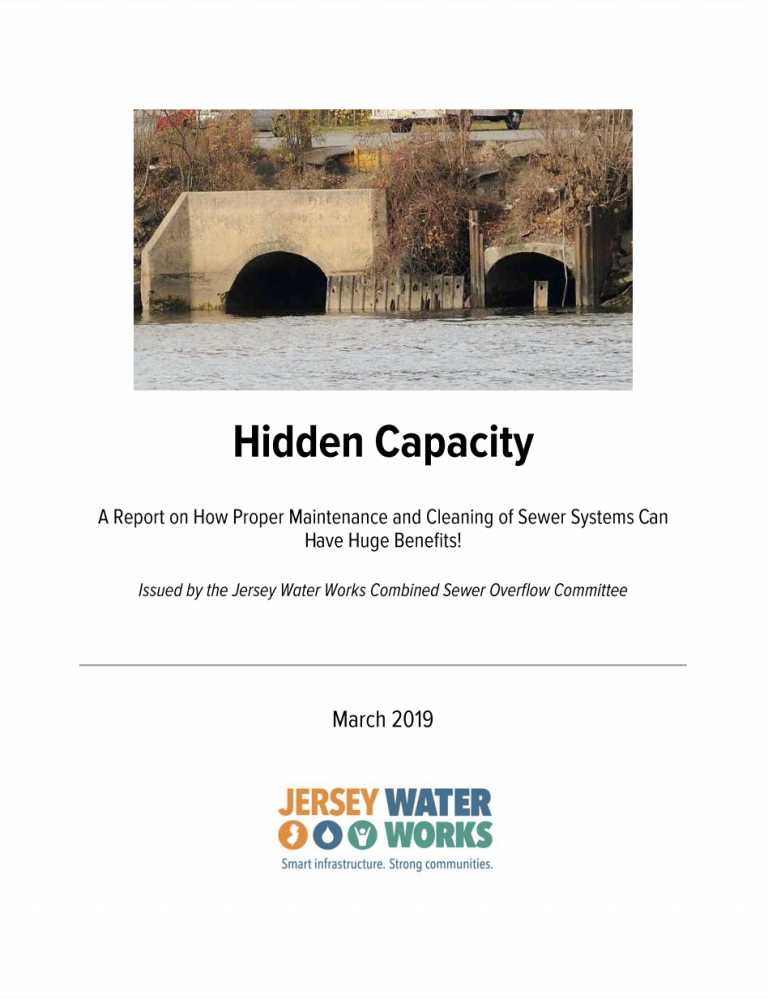
Hidden Capacity: How Proper Maintenance and Cleaning of Sewer Systems Can Have Huge Benefits!
Issued by the JWW Combined Sewer Overflow Committee, the purpose of this paper, Hidden Capacity: How Proper Maintenance and Cleaning of Sewer Systems Can Have Huge Benefits!, is to highlight the importance of sewer cleaning and inspection as critical elements of a proper and effective sewer system operation and maintenance program. Additional basic, cost-effective “gray” type controls, which have the potential to reduce combined sewer overflows ...LEARN MORE#Smart CSO Control PlansPRODUCT OF
-
 12/06/18
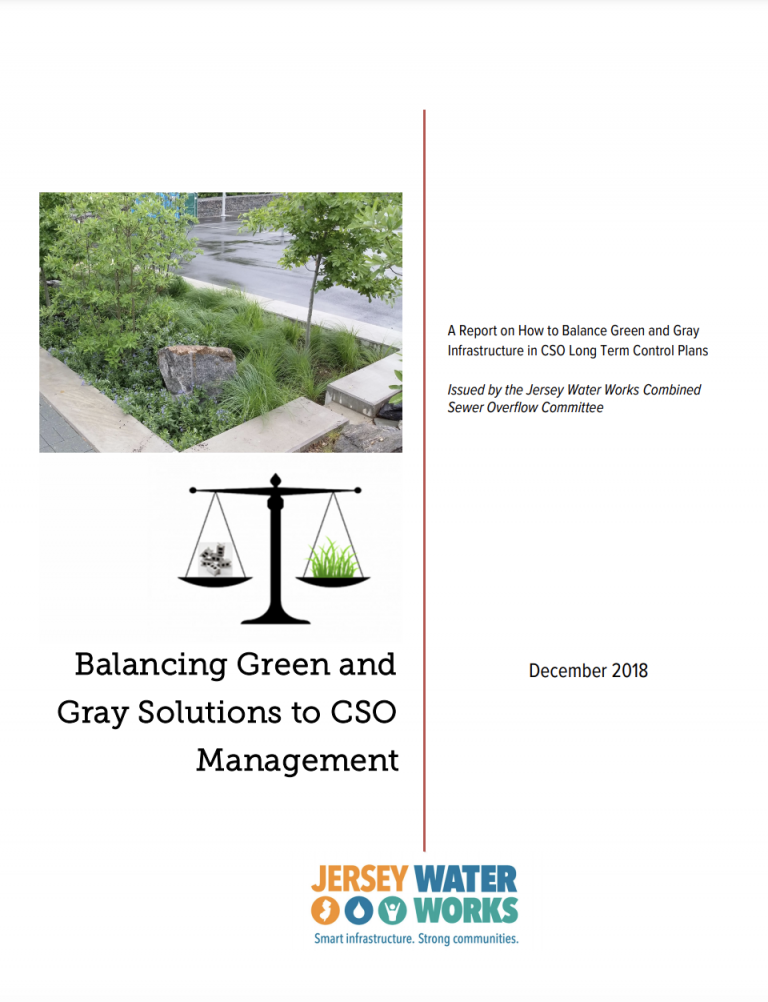
Balancing Green and Gray Solutions to CSO Management
The purpose of this report, Balancing Green and Gray Solutions to CSO Management, is to provide guidance to CSO permit holders and their Supplemental CSO Community Teams, to help guide the development of LTCPs for determining an optimal green/gray balance. Although the target audience is permittees and their communities, other readers should benefit from the summary of current CSO programs. It is recognized that there are varying paths towards ...LEARN MORE#Green Infrastructure/Stormwater Management,#Smart CSO Control PlansPRODUCT OF
-
 03/05/18
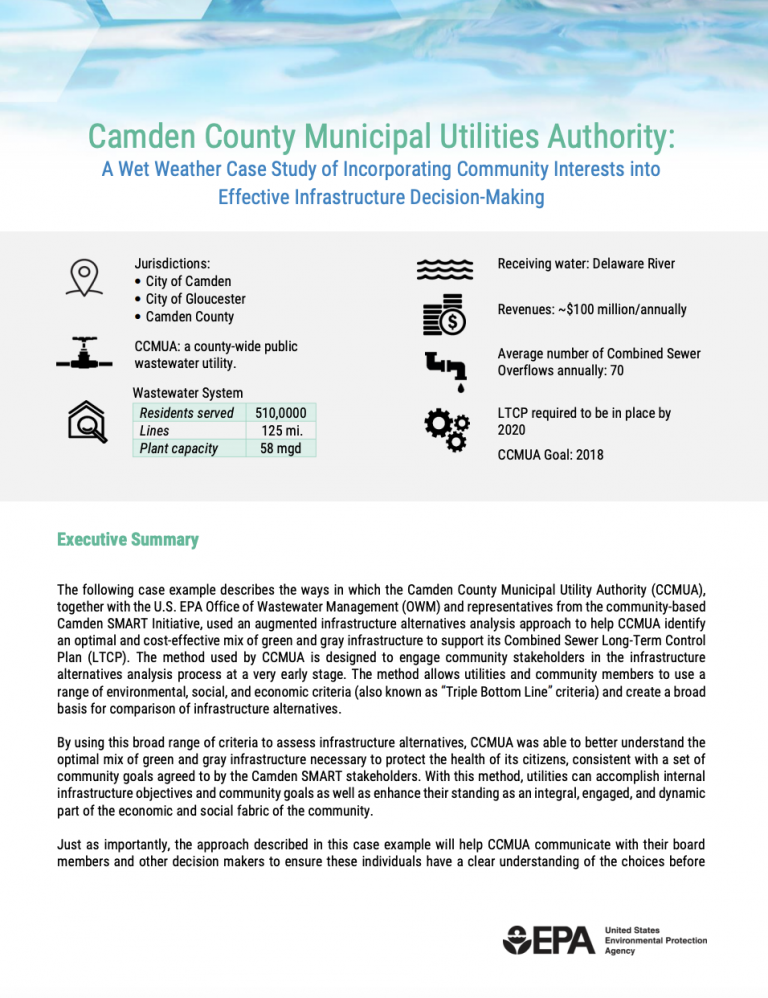
CCMUA: Incorporating Community Interests into Effective Infrastructure Decision-Making
This 2018 case study, CCMUA: Incorporating Community Interests into Effective Infrastructure Decision-Making, describes the ways in which the Camden County Municipal Utility Authority (CCMUA), together with the U.S. EPA Office of Wastewater Management and representatives from the community-based Camden SMART Initiative, used an augmented infrastructure alternatives analysis approach to help CCMUA identify an optimal and cost-effective mix of ...LEARN MORE#Smart CSO Control Plans -
 02/08/18
Evaluating Green Infrastructure: A Combined Sewer Overflow Control Alternative for Long Term Control Plans
The intent of this document, Evaluating Green Infrastructure: A Combined Sewer Overflow Control Alternative for Long Term Control Plans, is to provide guidance to Combined Sewer Overflow (CSO) permittees within the State of New Jersey to evaluate green infrastructure (GI) as part of their Long Term Control Plans (LTCPs). LTCP implementation will be a long and expensive process. Many of the alternatives that will ultimately be implemented to ...LEARN MORE#Green Infrastructure/Stormwater Management,#Smart CSO Control Plans -
 01/24/18
Joint Legislative Task Force on Drinking Water Infrastructure’s Final Report
The Joint Legislative Task Force on Drinking Water Infrastructure convened on Jan. 8, 2018, and voted unanimously to adopt the findings and recommendations in its report. In response to concerns over the condition of the State’s drinking water infrastructure, on Jun. 30, 2016 the Legislature passed Senate Concurrent Resolution No. 86 and Assembly Concurrent Resolution No. 161, establishing the Joint Legislative Task Force on Drinking Water ...LEARN MORE#Affordability,#Drinking Water,#Lead,#Smart CSO Control Plans