


Green Infrastructure/Stormwater Management

Most people are familiar with “gray” water infrastructure, which includes hard concrete and metal pipes, holding tanks, pumps, water tunnels, and treatment plants. These systems play a key role in managing drinking water, wastewater, and combined sewer systems.
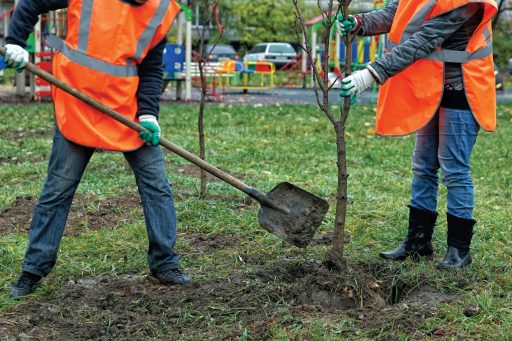
“Green” infrastructure is a newer approach to stormwater management that mimics nature by capturing stormwater so it can either be reused or seep into the ground where it falls, rather than flowing into underground sewer and storm pipes. Methods for stormwater capture include rain gardens, pervious pavement, planted swales, and storage containers, such as cisterns and rain barrels. Green infrastructure features can help reduce stress on water systems and provide good local jobs, while making the communities where they’re installed healthier and more vibrant.
Both gray and green infrastructure are important components of water infrastructure systems across the state. Communities with combined sewer systems, in particular, will be evaluating gray and green infrastructure approaches to identify the best combination that meets regulatory requirements cost-effectively and in a manner that provides tangible community benefits.
-
 10/08/18
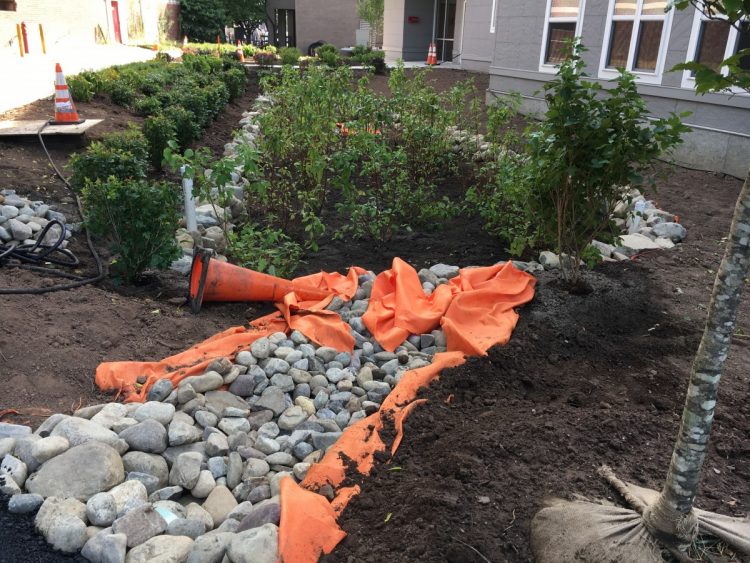
Rain Garden by Rain Garden, Hoboken Builds Resilience
On a recent tour of Hoboken’s green infrastructure, sponsored by the SWIM Coalition, participants got a close look at the city’s progress on resilience projects.READ ARTICLE#Green Infrastructure/Stormwater ManagementOpen Staff, Waterfront Alliance in a new tabSOURCE
Staff, Waterfront Alliance
-
 09/10/18
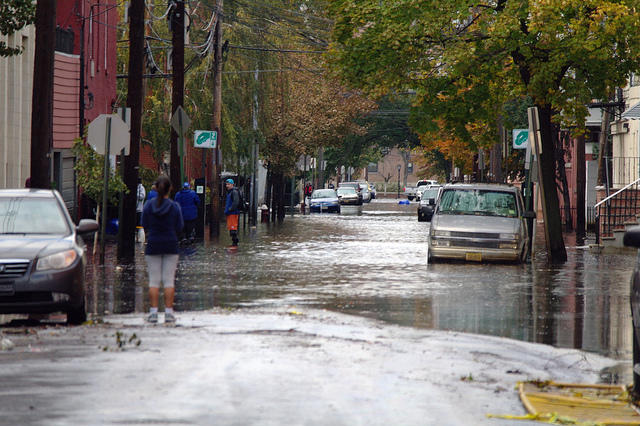
New Model Ordinance Will Help Reduce Polluted Runoff in New Jersey
A new model ordinance will help New Jersey communities curb harmful stormwater runoff that pollutes local waterways and contributes to urban flooding.READ ARTICLE#Green Infrastructure/Stormwater ManagementOpen Staff, Natural Resources Defense Council in a new tabSOURCE
Staff, Natural Resources Defense Council
-
 08/09/18
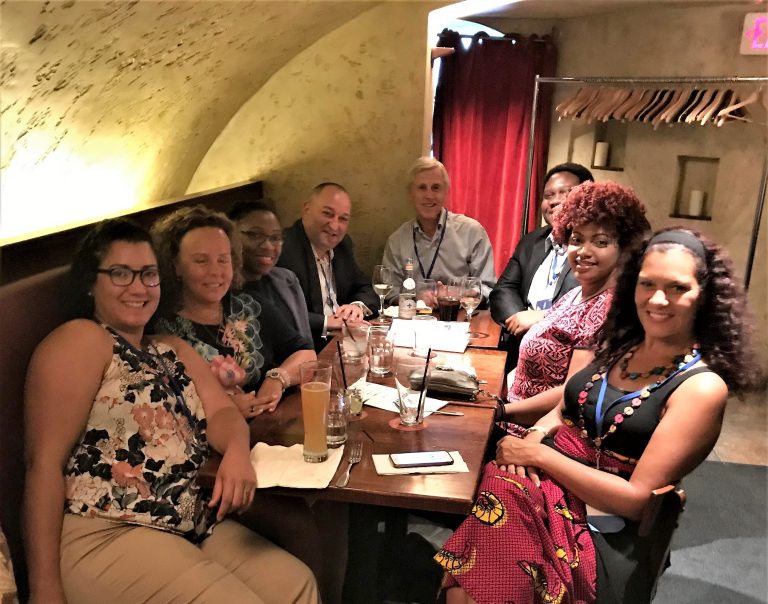
Reconnecting to the Water at the One Water Summit
New Jersey delegates learn the latest best practices and national trends in water.READ ARTICLE
#Green Infrastructure/Stormwater ManagementSOURCE
Ed DiFiglia, Program Manager, New Jersey Future -
 07/24/18
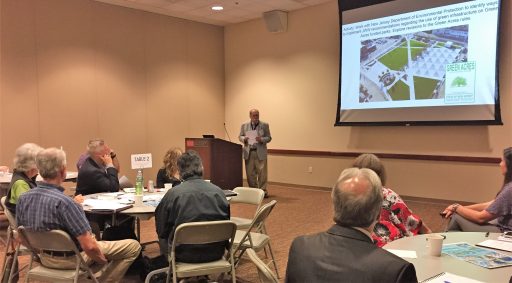
What’s Next for Jersey Water Works Committees?
Members of the collaborative's four topic committees met to brainstorm and discuss how the One Water concept could be better integrated into their annual work plans.READ ARTICLE#Community Engagement and Partnerships, #Green Infrastructure/Stormwater Management, #Paying for Water Infrastructure, #Smart CSO Control PlansSOURCE
Ed DiFiglia, Program Manager, New Jersey Future -
 07/24/18
New Report Highlights Green Infrastructure Financing Opportunities
The report is a culmination of a year-long partnership with the New Jersey Infrastructure Bank and the New Jersey Department of Environmental Protection to improve access to the program's low-cost green infrastructure financing and continues to move the I-Bank into innovative areas of lending beyond traditional "gray" infrastructure.READ ARTICLE#Green Infrastructure/Stormwater ManagementOpen Chris Sturm, Managing Director, Policy and Water, New Jersey Future in a new tabSOURCE
Chris Sturm, Managing Director, Policy and Water, New Jersey Future
-
 12/18/17
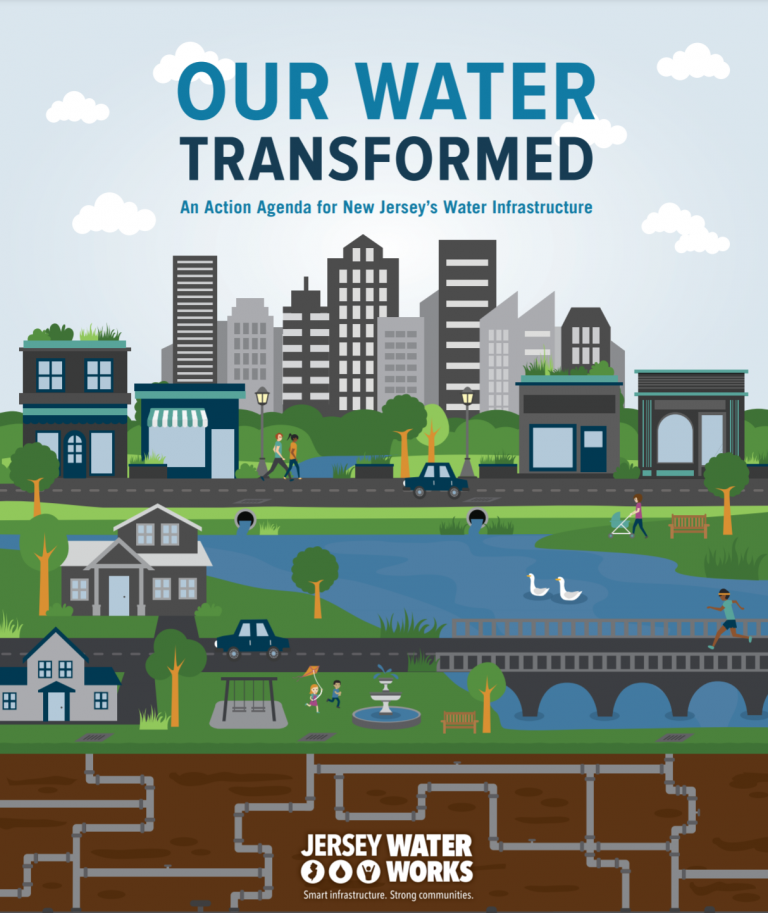
Our Water Transformed: An Action Agenda for New Jersey’s Water Infrastructure
The report, Our Water Transformed: An Action Agenda for New Jersey's Water Infrastructure, offers an in-depth understanding of the state’s water infrastructure and the context for improvement, provides clarity on how Jersey Water Works has brought so many stakeholders together to affect change, and outlines a consensus-based “action agenda” with three practical solutions: Robust asset management to enable water utilities to deliver the optimum ...LEARN MORE#Drinking Water,#Green Infrastructure/Stormwater Management,#Paying for Water Infrastructure,#Smart CSO Control Plans,#Wastewater,#WorkforcePRODUCT OF
-
 07/27/17
Harvesting the Value of Water: Stormwater, Green Infrastructure, and Real Estate
This report analyzes the stormwater policy landscape and summarizes various real estate developments that have arisen in response. Real estate case studies from across the country demonstrate a range of stormwater policies, featuring management innovations as well as positive financial, operational or design outcomes.LEARN MORE#Green Infrastructure/Stormwater Management -
 07/20/17
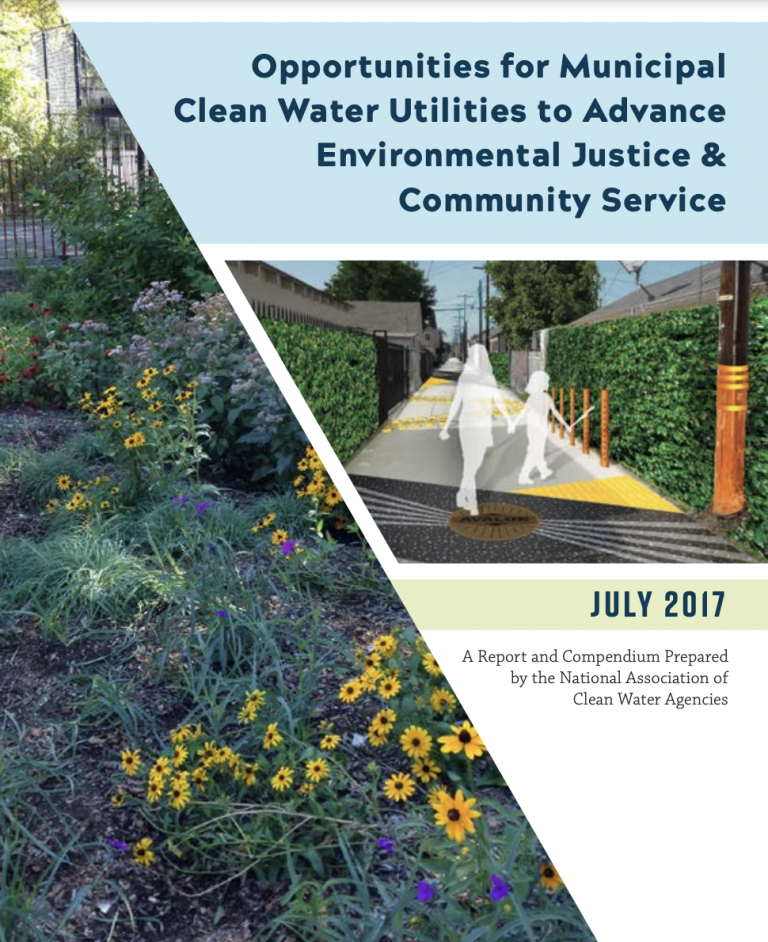
Opportunities for Municipal Clean Water Utilities to Advance Environmental Justice & Community Service
The National Association of Clean Water Agencies prepared this report to increase awareness of the many benefits America's clean water utilities provide to their communities. The projects in this compendium represent efforts by NACWA members to reach beyond the traditional model of simply conveying and treating wastewater and stormwater, to become assets and partners in their communities. Some of the projects included in this compendium ...LEARN MORE#Community Engagement and Partnerships,#Drinking Water,#Green Infrastructure/Stormwater Management,#Wastewater -
 07/17/17
Spurring Entrepreneurship and Innovation in Stormwater Markets
This paper from Natural Resources Defense Council summarizes NRDC's review of Philadelphia Water Department's Greened Acre Retrofit Program (GARP). GARP encourages contractors or design and construction firms to compete for limited public grant funding by aggregating and presenting the lowest-cost retrofit opportunities available on private land. The availability of public dollars through GARP is intended to create a competitive green ...LEARN MORE#Green Infrastructure/Stormwater Management -
 06/12/17
Green Infrastructure in Parks: A Guide to Collaboration, Funding, and Community Engagement
The green infrastructure guide from the Environmental Protection Agency provides a stepwise approach for building partnerships between stormwater managers and park managers, including information on how to identify and engage partners, build relationships, involve the community, leverage funding opportunities, and identify green infrastructure opportunities. It includes recommendations on the types of projects that are most likely to attract ...LEARN MORE#Green Infrastructure/Stormwater Management
