

Latest News
Stay up to date on the latest news about current Jersey Water Works initiatives, members, New Jersey’s water infrastructure, and press releases.
202 Results Found
-
 02/17/22
Putting Lead Service Lines in New Jersey’s Rearview Mirror
A new state law enacted in July 2021 requires New Jersey water systems to replace lead service lines (LSLs) within 10 to 15 years. Due to the age of its housing stock, New Jersey is estimated to have 350,000 LSLs, the fifth highest of all states, and at an average cost of $6,700, the total price tag is projected to be approximately $2.3 billion. To discuss this challenge, as well as best practices that could ensure a timely, cost-efficient ...READ ARTICLE#LeadSOURCE
Gary Brune, Jersey Water Works Lead in Drinking Water Task Force backbone staff -
 02/11/22
Completed Newark Lead Service Line Replacement Program Is A Model for Statewide Action
The City of Newark has completed its innovative lead service line replacement program, replacing more than 23,000 lead lines. The program, as revised in 2019, serves as a model for lead service line replacement programs in communities across the state. Jersey Water Works (JWW) congratulates the City of Newark on this historic success. Starting in 2019, JWW brought many partners together to come up with effective solutions to lead in ...READ ARTICLE#LeadSOURCE
Andy Kricun and Nicole Miller, Jersey Water Works co-chairs -
 02/10/22
Lead Service Line Replacement at a Blistering Pace Newark, New Jersey
In most cities, the task of replacing lead service lines (LSLs) has stretched over 20 to 25 years. The City of Newark, New Jersey, however, set an unprecedented pace, removing all of its LSLs in just over two years. This accomplishment, which transformed a crisis into a positive story, reflects recommendations made by a Lead in Drinking Water Task Force organized by Jersey Water Works, a nonprofit collaborative that produced the nation’s first ...READ ARTICLE#LeadSOURCE
Gary Brune, Jersey Water Works Lead in Drinking Water Task Force backbone staff -
 01/31/22
A policy window of opportunity for water infrastructure action in New Jersey
New Jersey’s water is at a turning point, and on the first day of the 2021 Jersey Water Works (JWW) conference, speakers weren’t afraid to shy away from a strong message: As new federal funding for water infrastructure arrives, New Jersey can—and needs to—do better. Legacy water issues have plagued many communities for generations in New Jersey. According to keynote speaker Colette Pichon Battle, Gulf Coast Center for Law & Policy, federal ...READ ARTICLE#Affordability, #Paying for Water InfrastructureSOURCE
Lauren Belsky, Jersey Water Works Program Coordinator -
 01/19/22
The best water solutions derive from collaborations, and community engagement is key
Everyone has a role to play when it comes to water. Water is a precious life-giving resource that must not only be honored and respected, but also managed, treated, and made safe for drinking. While some may think that drinking water and wastewater utility companies are the only ones responsible for this—or perhaps that government officials and decision-makers carry the brunt of the weight (which they do)—community members have important roles ...READ ARTICLE#Community Engagement and PartnershipsSOURCE
Paula Figueroa-Vega, Jersey Water Works Program Manager -
 01/12/22
Lead Service Line Replacement… And Now For the Hard Part
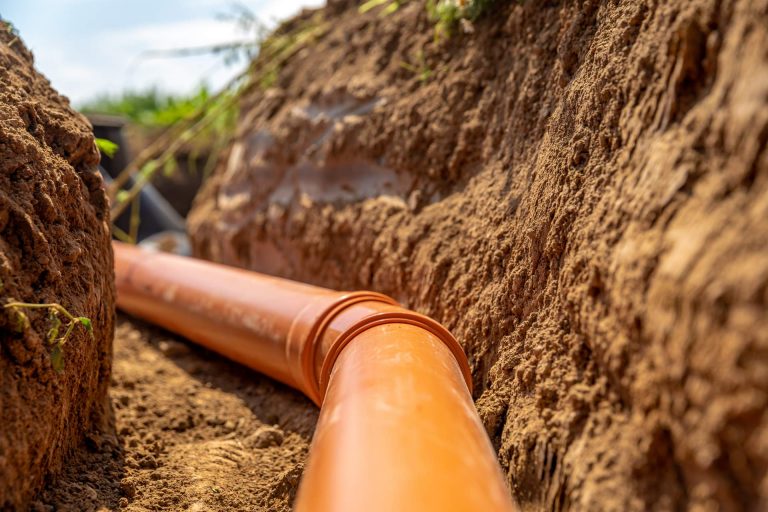
In July, 2021, Governor Murphy signed a new law (P.L.2021, c.183; https://www.njleg.state.nj.us/2020/Bills/AL21/183_.HTM) requiring the state’s water utilities to replace lead service lines (LSLs) within ten years. Implementation will be challenging. The few cities in other states that have successfully tackled this problem typically required 20 to 25 years to complete the job. To accelerate the effort, Jersey Water Works’ Lead in Drinking Water ...READ ARTICLE#Drinking Water, #LeadSOURCE
Gary Brune, JWW Lead in Drinking Water Task Force backbone staff -
 12/17/21
Jersey WaterCheck Data Show New Jersey Water Systems Actively Identifying and Eliminating Lead Service Lines
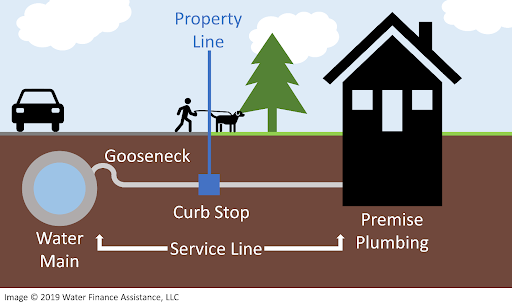
Identifying and removing lead service lines from our water systems is one of the most urgent issues in drinking water today—in New Jersey and around the country. President Biden has repeatedly stated his goal of removing all lead service lines from water systems across the country, which will likely feature as a requirement when the EPA issues its revised Lead and Copper Rule. The recently passed Infrastructure Investment and Jobs Act includes ...READ ARTICLE#Data, #LeadSOURCE
Glenn Barnes, Director, Water Finance Assistance -
 12/13/21
Planning and Utilities, Cities and CSOs—The Value of Collaboration to Improve Municipalities
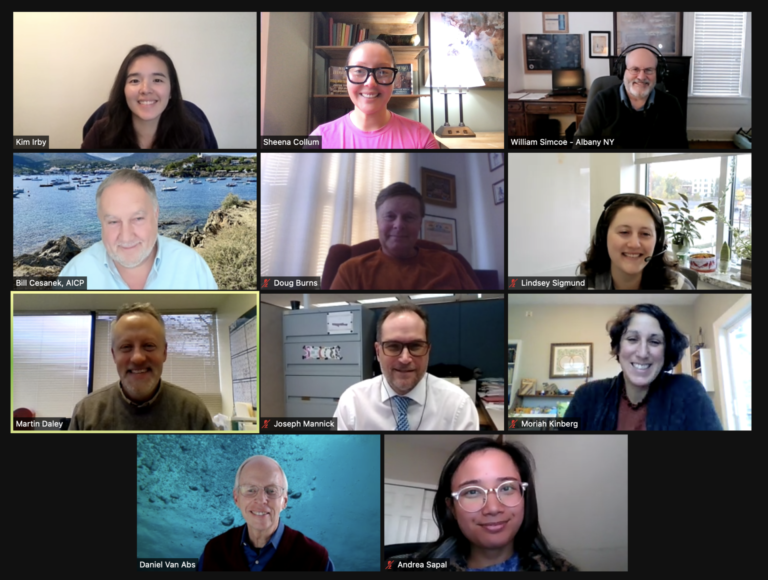
Collaborative approaches improve cost-effectiveness, the health of our residents, and the environment. There are a number of goals and benefits that derive from collaborative approaches, according to CDM Smith Vice President and Senior Infrastructure Planner Bill Cesanek at the Nov. 12 “Planning and Utilities, Cities and CSOs—The Value of Collaboration to Improve Municipalities” workshop. Through his work for different city departments across ...READ ARTICLE#Community Engagement and Partnerships, #WastewaterSOURCE
Andrea Jovie Sapal, Program Associate, New Jersey Future -
 12/07/21
New Water Stories: Jersey WaterCheck Update Launch and Why It Matters for the Flow of Water Infrastructure Funding
The bipartisan federal infrastructure bill promises millions in investment for New Jersey’s outdated water systems, and there is a potential “Build Back Better” bill pending that would provide even more desperately needed funds. Do you know how all of these federal infrastructure dollars will play out at the ground level in your town or community? Are you curious to learn more? Do you know where your drinking water comes from or where your ...READ ARTICLE#DataSOURCE
Kim Irby, Jersey Water Works backbone staff -
 12/06/21
Understanding Affordability Problems for Drinking Water and Sewer Utilities
Research results describe the location and extent of household stress in New Jersey. The cost of drinking water and sewage utility services has been rising faster than inflation since the early 1980s, creating household affordability stresses. Roughly one-fifth of New Jersey households may face affordability concerns. What does this mean for our ability to continue meeting public health needs and environmental regulations? New Jersey has some of ...READ ARTICLE#AffordabilitySOURCE
Daniel J. Van Abs, PhD, FAICP/PP