

Latest News
Stay up to date on the latest news about current Jersey Water Works initiatives, members, New Jersey’s water infrastructure, and press releases.
34 Results Found
-
 07/15/24
Emerging Water Leaders: Leadership Circle in New Jersey – Case Study
Photo courtesy of Canva / New Jersey Future. In 2023, New Jersey Future, in collaboration with Jersey Water Works (JWW), successfully facilitated the Emerging Water Leaders of Color Leadership Circle pilot program with funding from Spring Point Partners. The program invests in the next generation of water leaders and supports the goal of retaining diverse talent in the water sector. The initiative produced noteworthy outcomes, with a focus on ...READ ARTICLE#Community Engagement and Partnerships, #Workforce -
 05/23/22
Compendium of Successful Water Workforce Practices
The Water Environment Federation collected 21 case studies demonstrating the ways in which the best-in-class water utilities across the country have implemented innovation to optimize the performance of their water workforces. This compendium has a special focus on diversity, equity, and inclusion in our national water workforces.READ ARTICLE#Workforce -
 03/18/22
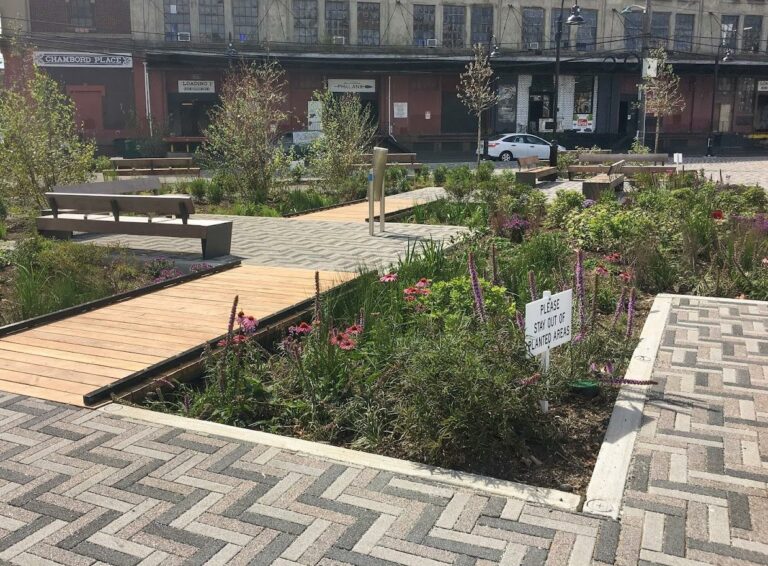
Open Space, Flood Protection, and Pollutant Trapping: Unlocking the Potential of the Green Acres and Blue Acres Programs to Support Green Infrastructure
The Jersey Water Works Green Infrastructure (GI) Committee encourages the New Jersey Department of Environmental Protection (NJDEP) Green Acres and Blue Acres programs, which convert floodprone properties into open space, to incorporate green infrastructure into their final design plans. The GI Committee’s Green Acres Subcommittee developed this document to showcase four successful Green Acres and Blue Acres projects that incorporate green ...READ ARTICLE#Green Infrastructure/Stormwater Management -
 03/19/21
An Update on New Jersey Opinions on the State of Our Water Systems, the Environment, and Infrastructure
Jersey Water Works and New Jersey Future today released the results of a survey of 1,176 New Jersey residents that indicate that residents continue to believe that securing clean, safe drinking water should be the top environmental priority for the governor and Legislature. The survey, an abridged follow up to one conducted in 2017, shows that concern about lead in drinking water has remained steady with over three-quarters of the respondents ...READ ARTICLE#Community Engagement and Partnerships, #Data, #Drinking Water, #Lead -
 11/16/20
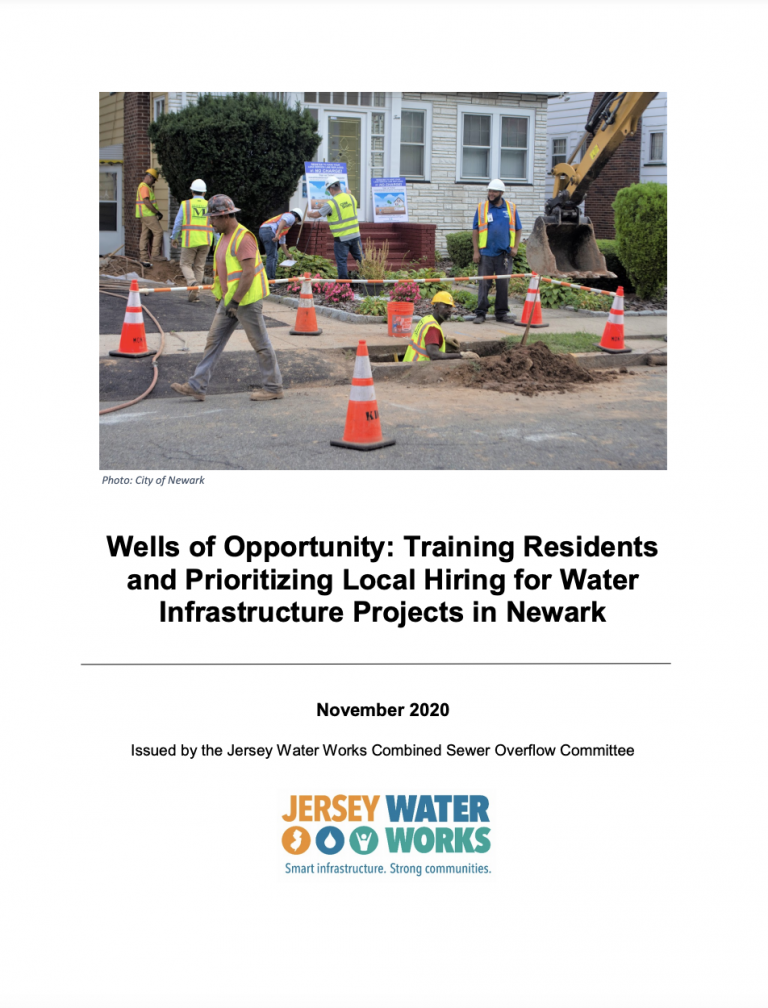
Wells of Opportunity: Training Residents and Prioritizing Local Hiring for Water Infrastructure Projects in Newark
In the face of generational demands for water infrastructure investment, along with relatively high levels of unemployment, the City of Newark has instituted training programs to help bolster its water workforce. This report, produced by the Jersey Water Works CSO Committee, features two sections: 1) Newark’s Lead Service Line Apprenticeship Program: This describes the special apprenticeship program that was created to supply qualified residents ...READ ARTICLE#Smart CSO Control Plans -
 08/19/20
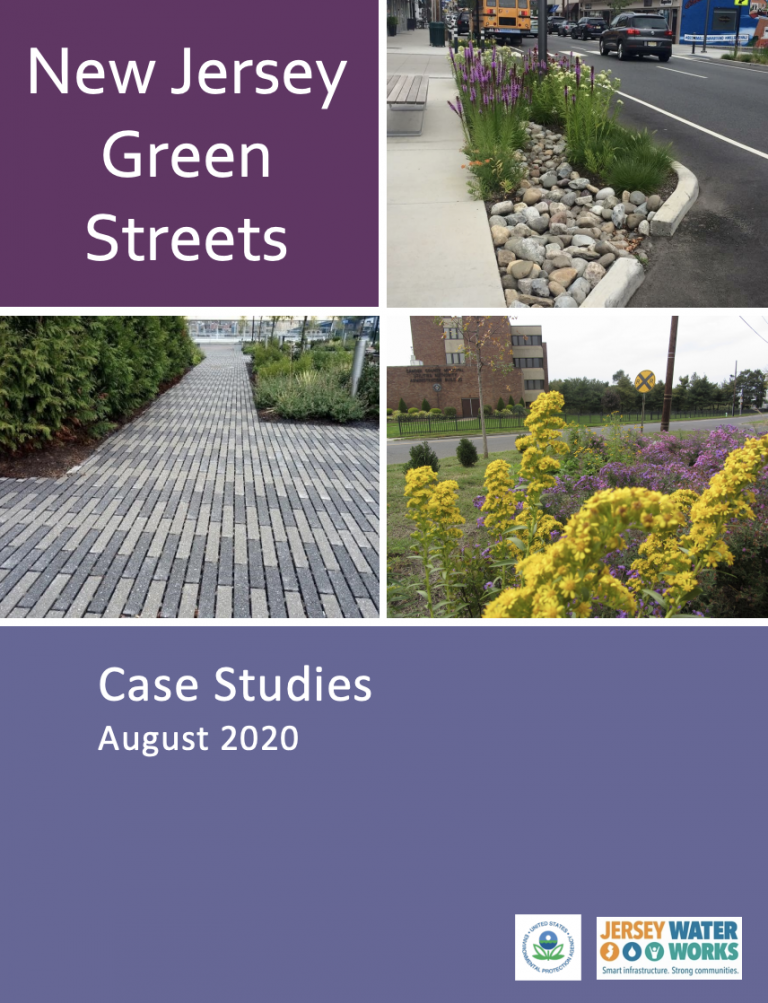
New Jersey Green Streets Case Studies
As of 2019, 151 municipalities in New Jersey have adopted complete streets policies, but most have not incorporated green streets language or requirements into their policies. Municipalities can enhance their roadways by incorporating green streets practices into their complete streets designs. Green streets can help meet regulatory requirements for stormwater management, provide important environmental and public health benefits, and provide ...READ ARTICLE#Green Infrastructure/Stormwater Management -
 07/30/20
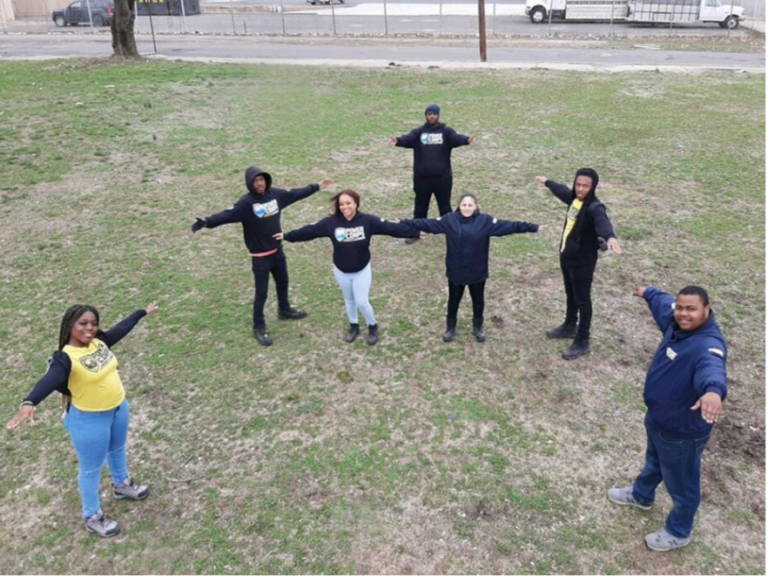
Bolstering the Water Workforce with Innovative Programs
In the City of Camden, two programs were created to train residents of low-income communities and communities of color in green infrastructure maintenance and/or connect them to employment opportunities, including those in the water industry. One is PowerCorps Camden, a water workforce program that allows local youth (ages 18-26) to learn how to maintain green infrastructure, develop soft skills, engage in college and career readiness workshops, ...READ ARTICLE#Workforce -
 08/27/19
Water Resources Baseline Topic Report
This report examines water resource and infrastructure issues in northern New Jersey, reports on current and possible future conditions, and recommends water resource objectives, outcomes, metrics and indicators for use by the Together North Jersey in its Regional Plan for Sustainable Development (RPSD). For each element of water sustainability, the report addresses whether sustainability is being achieved under current conditions and demands, ...READ ARTICLE#Paying for Water InfrastructureOpen Together North Jersey in a new tabSOURCE
Together North Jersey
-
 05/13/19
Assessment of Eliminating Lead in Minnesota Drinking Water
The 2017 Minnesota Legislature directed the Minnesota Department of Health (MDH) to “conduct an analysis to determine the scope of the lead problem in Minnesota's water and the cost to eliminate lead exposure in drinking water.” In this report, Assessment of Eliminating Lead in Minnesota Drinking Water, MDH assesses the scope of the lead problem by examining the extent of lead already in water systems as well as factors that allow lead to get in ...READ ARTICLE#Drinking Water, #LeadOpen Minnesota Department of Health in a new tabSOURCE
Minnesota Department of Health
-
 04/15/19
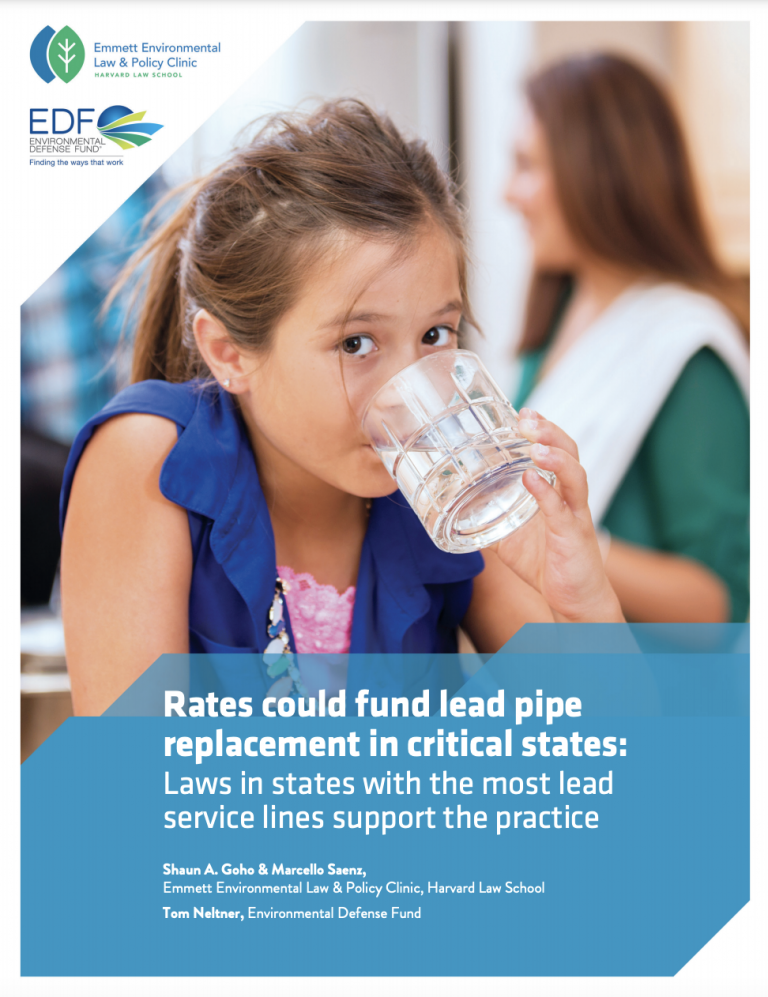
Rates could fund lead pipe replacement in critical states: Laws in states with the most lead service lines support the practice
In Rates could fund lead pipe replacement in critical states, Emmett Environmental Law & Policy Clinic at Harvard Law School and Environmental Defense Fund reviewed state laws and policies in 13 states with the most lead service lines (LSLs), and found no explicit barriers to using rate funds to replace the lines on private property. These states have an estimated 4.2 million LSLs, more than two-thirds of the nation’s total. In these states, ...READ ARTICLE#Drinking Water, #LeadOpen Emmett Environmental Law & Policy Clinic at Harvard Law School and Environmental Defense Fund in a new tabSOURCE
Emmett Environmental Law & Policy Clinic at Harvard Law School and Environmental Defense Fund